





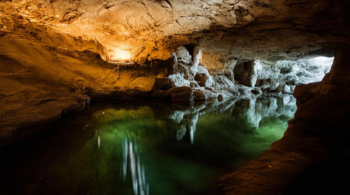
Hydrogeology is the science that studies the origin, conditions of occurrence, composition, and patterns of underground water movement. It also examines the interaction of underground waters with rocks, surface waters, and the atmosphere.
This science covers issues such as the dynamics of underground waters, hydrogeochemistry, exploration and prospecting of underground waters, as well as reclamation and regional hydrogeology. Hydrogeology is closely related to geology (including engineering geology, lithology, geochemistry, geophysics, geocryology), geography (primarily hydrology and meteorology), and other Earth sciences. It relies on data from mathematics, physics, chemistry, and extensively uses their research methods.
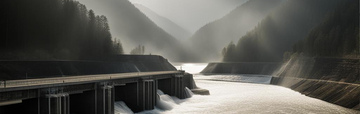
Hydrogeological data are used, in particular, to address issues of water supply, land reclamation and irrigation, environmental consequences of hydraulic engineering construction (reservoirs, etc.), exploitation of deposits of underground drinking, technical, mineral, industrial, and thermal waters, deep disposal of industrial waste, as well as forecasting water inflows into transport tunnels and mining workings of solid mineral deposits (mines, quarries).
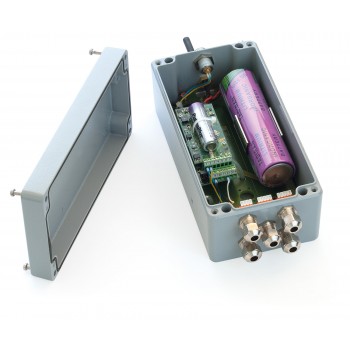
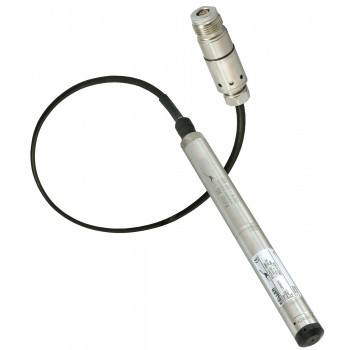
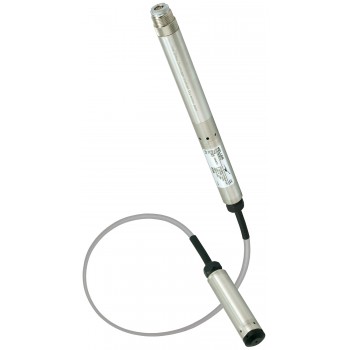
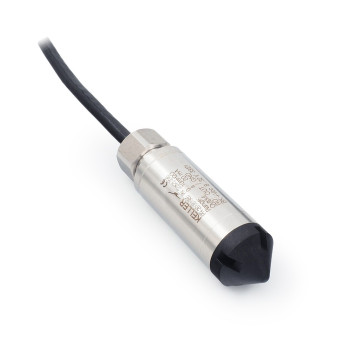
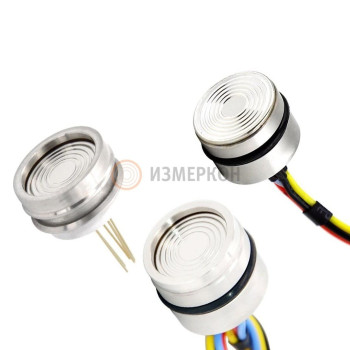
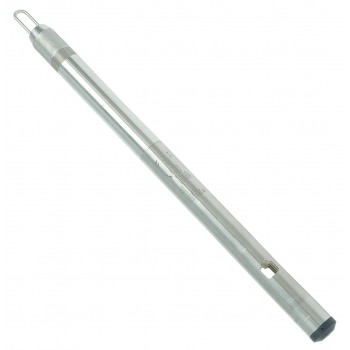
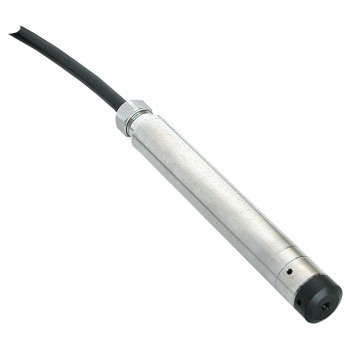
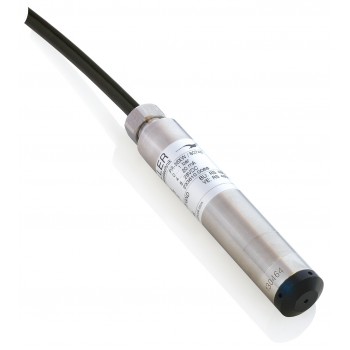
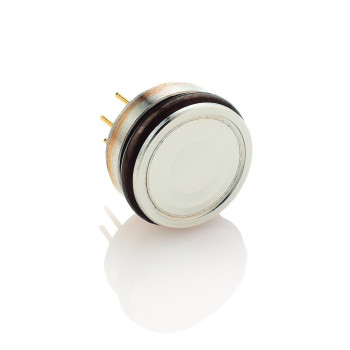
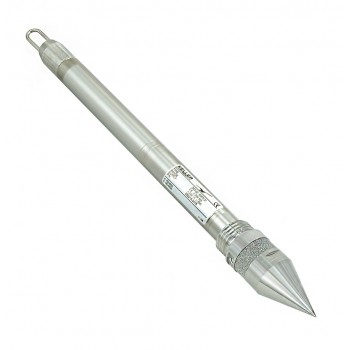
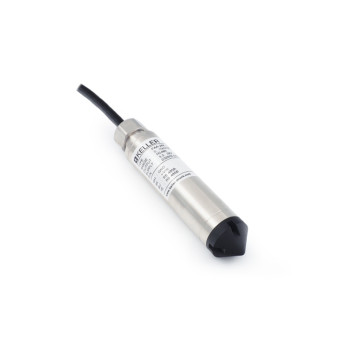
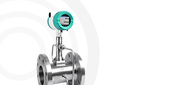
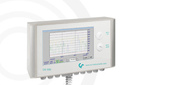
Below are instruments from our catalog used in hydrogeology:
Measurement of water body depths up to 6000m: 10
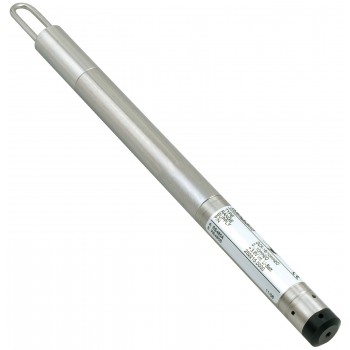
.jpg "Price for hydrostatic pressure transducer — DI/G-26 at IZMERKON")
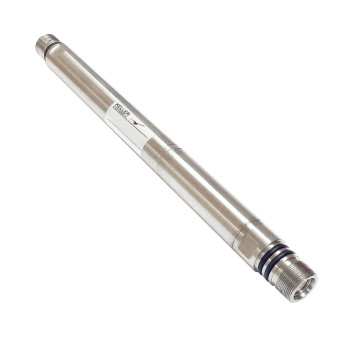
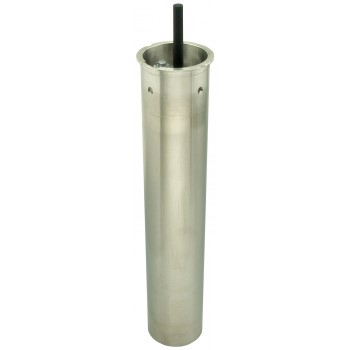
.jpg "At wholesale and retail prices in St. Petersburg<br>hydrostatic pressure transducer — DI/G-36")