








A laminar flow can be conditionally called the flow of a medium (liquid or gas) without the formation of turbulence. Air is perhaps one of the most common media for which laminar flow requirements are most often imposed. The fact is that laminar air flow is widely used to ensure and guarantee cleanliness in clean rooms in such critical areas as:
• Pharmaceutical manufacturing and development;
• Electronics and optics manufacturing;
• Healthcare. Surgery.
Clean rooms contain a large number of measures and devices to maintain and control cleanliness inside. One such measure is the supply of laminar air flow inside the room, either throughout the entire interior space or in one of its parts. This measure allows guaranteeing that no contamination in the form of particles enters the zone affected by the laminar air flow. The directions of this flow can be either horizontal or vertical.
Considering that the aforementioned application areas are very critical and demanding in terms of compliance, it logically becomes necessary to control the laminarity of the air flow. Being invisible to the eye, the air flow can cease to perform its protective functions when transitioning to turbulent flow.

How to control laminar air flow?
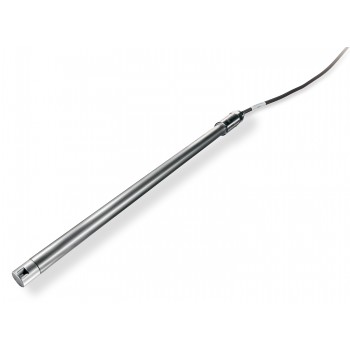
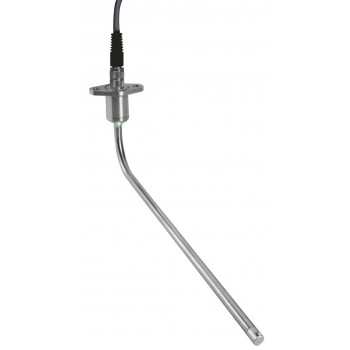
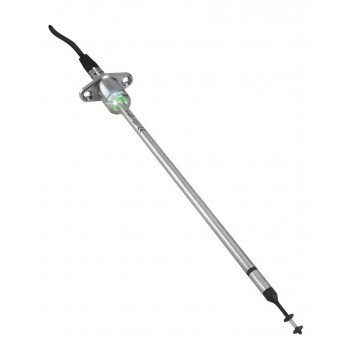
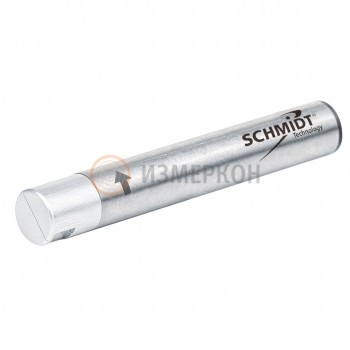
One of the main criteria for controlling laminarity of the flow is the air velocity. When the air velocity increases and reaches certain values, the flow transitions from laminar to turbulent. Therefore, the best device for controlling the laminarity of the air flow supplied inside a clean room is a velocity sensor manufactured by Schmidt Technology, specializing in sensors for clean rooms. The sensors are installed directly near the working area (model SS 20.400), or in the air supply area, which is usually located on the ceiling (model SS 20.515).
 Such sensors must have a very low activation threshold (from 0.05 m/s), and a relatively small measurement range (0.05 – 5 m/s, depending on parameters). After all, the boundary between laminar air flow and turbulent air flow is very thin.