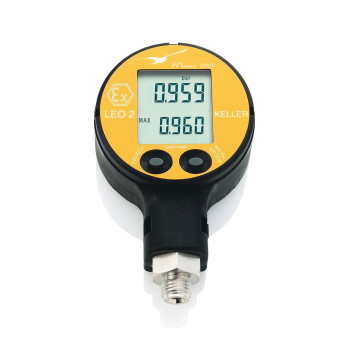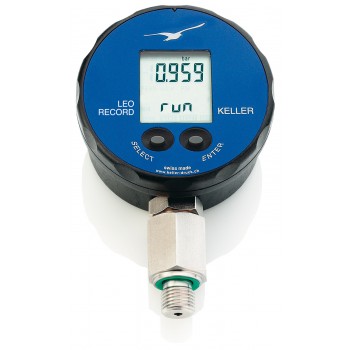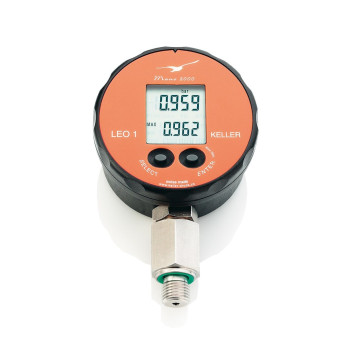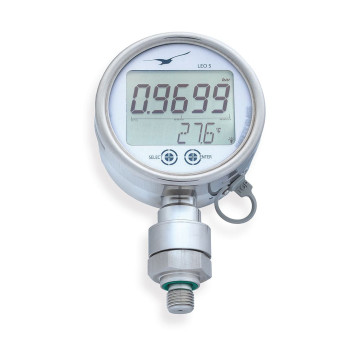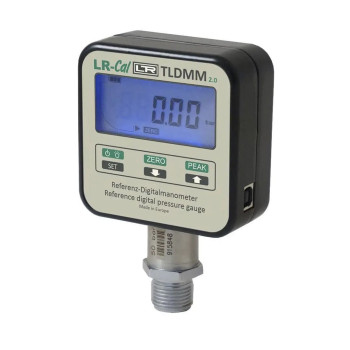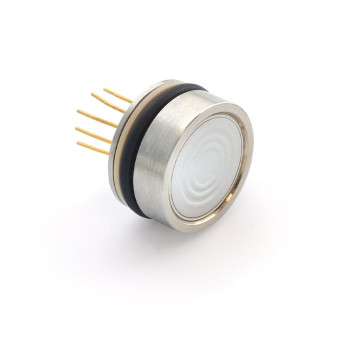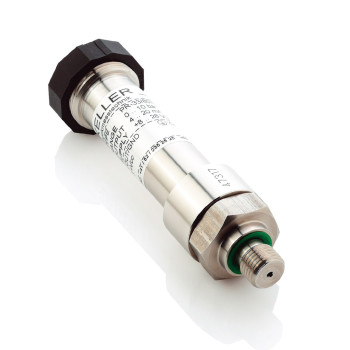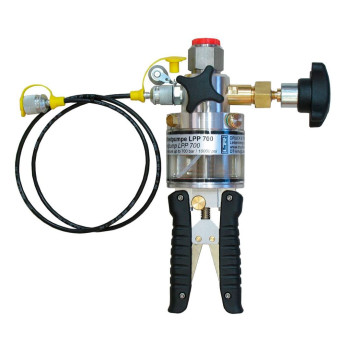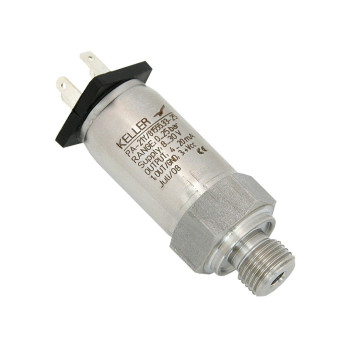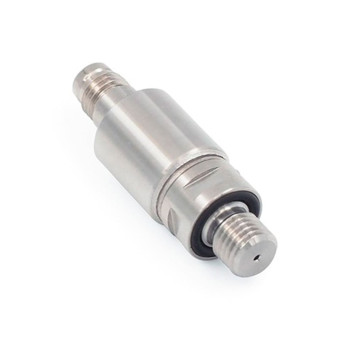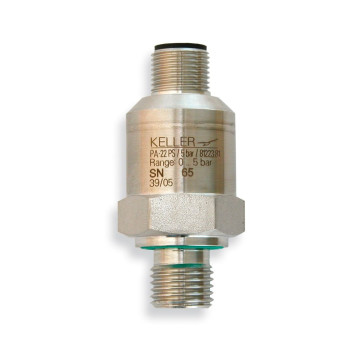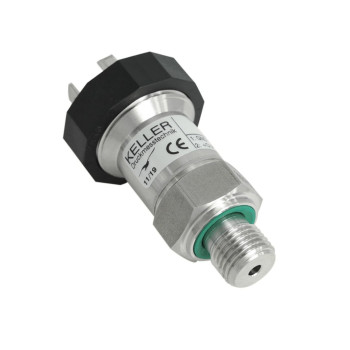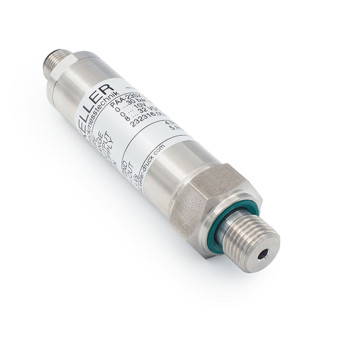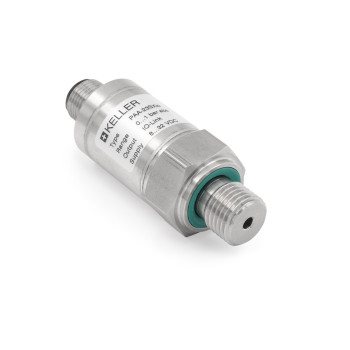
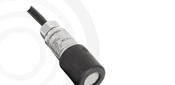
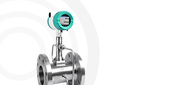

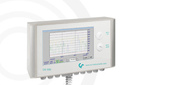




Timely and high-quality diagnostics of the hydraulic system and equipment is a key task that allows for quickly localizing the faulty unit and recording the main operating parameters during scheduled operation. High-precision instruments and measuring devices enable monitoring of the system's operating parameters and their compliance with regulatory standards. For this reason, continuous diagnostics must be carried out in real-time mode.
To accomplish this task, it is necessary to have hydraulic sensors that allow recording the temperature of the hydraulic fluid, pressure and flow rate, rotational speed of rotating elements, presence and degree of vibrations, as well as other measurable parameters during operation.
Features and main parameters of sensors for hydraulics
Today, the market for control and measuring equipment offers several types and brands of sensors for hydraulic systems. The devices differ in input and output parameters, form factor, and other characteristics. When choosing equipment, we recommend paying attention to the following features:
- Monoblock or separate design of electronic and hydraulic parts.
- Weight and overall dimensions.
- Range of measurable values.
- Scanning speed of input and updates of output channels.
- Type of measuring elements.
- Ability to freely input computational formulas.
- Determined parameters.
- Type of connection.
- Load device on the flow meter.
- Materials used for components.
- Software and digital support.
- Measurement error and type of data indication.
- Type of PC communication interface.
- Presence of built-in memory and data protection level.
It is important to understand that installing hydraulic sensors on working machinery and testing them under operating conditions is a complex, costly, and risky process that does not allow for errors. For this purpose, the Swiss equipment manufacturer Keller uses diagnostic stands for testing sensors that will later be installed on mobile hydraulics and presses. This strategy allows them to always stay one step ahead and optimize according to new customer requirements.
Range and advantages of devices for hydraulics
Our company's specialists strive every day to follow market trends, which is reflected in continuous study of customer needs. Customers can receive comprehensive technical or commercial information in the shortest possible time. Submit an application on the website or contact our managers, and we will provide full consultation on the selection and use of measuring equipment. Hydraulic sensors allow measuring operating pressure in the range from 0 to 600 bar. For installation on reference hydraulic stands, we recommend high-precision models with an error of no more than 0.01% FSO.
The offered Keller sensors have several significant advantages:
- Resistance to high overload pressure values, which does not affect measurement accuracy.
- Thin pressure supply holes or built-in pulsation dampers, which protect measuring elements from hydraulic shocks.