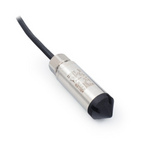




Modern technologies in the field of wastewater level control significantly improve the efficiency of pumping stations. The transition from outdated float switches to modern hydrostatic level sensors opens new possibilities for accurate and continuous measurement. One such solution is the use of hydrostatic pressure transmitters KELLER PR-26Y, which provide reliable wastewater level control.
Problems of wastewater level measurement systems with float switches
In practice, wastewater level measurement systems based on float switches are often used. This approach has several drawbacks that can reduce the efficiency of pumping stations. Consider the example:
- Use of multiple float switches:
- One switch is installed in the tank at the minimum level to start the filling process.
- The second switch stops filling the tank when the maximum level is reached.
- The third switch serves to send an alarm signal in case of tank overflow.
- System drawbacks:
- Float devices are prone to mechanical damage and wear.
- False triggers are possible due to contamination or incorrect installation.
- No possibility of continuous liquid level monitoring.
Modern solution: hydrostatic level sensors
To eliminate the drawbacks of the float switch system, the customer chose a hydrostatic level sensor KELLER series 26Y. This solution allows moving to a qualitatively new level of wastewater control.

Advantages of hydrostatic level sensors
- Measurement accuracy: hydrostatic level sensors are not affected by foam, which often forms on the surface of wastewater. Unlike ultrasonic sensors, which can give incorrect readings due to foam, hydrostatic sensors provide accurate liquid level measurement.
- No false signals: hydrostatic sensors have no mechanical parts inside, eliminating the possibility of false triggers due to contamination or mechanical damage.
- Continuous measurement: unlike float switches, which operate only at certain levels, hydrostatic sensors provide constant real-time monitoring of the liquid level.
- Ease of integration and control: liquid level data is transmitted from the hydrostatic level sensor as a standardized 4…20 mA current signal. This allows displaying readings on external controllers, recorders, or upper-level system displays, as well as using values for automatic control of actuators — for example, to turn pumps on and off when set values are reached.
Application of technology in pumping stations
Pumping stations equipped with a continuous level measurement system using hydrostatic sensors provide:
- More accurate wastewater level control.
- Reduced risk of tank overflow.
- Increased system reliability due to the absence of mechanical parts subject to wear.
The transition to hydrostatic level sensors, such as KELLER series 26Y, significantly improves wastewater level control. This solution eliminates the drawbacks inherent in float switches and ensures accurate, continuous, and reliable measurement. Implementing such technologies at pumping stations in Russia is a step towards improving the efficiency of wastewater systems and reducing operational risks.
For more information about the device, you can contact IZMERKON by phone at +7 (812) 309 56 05 or via the feedback form.
_80x0_e6f.jpg "Pressure Transmitter Series 23SX-H2")
1)_80x0_e6f.jpg "Happy Defender of the Fatherland Day!")
_80x0_c25.jpeg "Radar Level Meter IZMERKON RL 37")