


The danger of carbon dioxide used in beer dispensers and carbonation machines is often underestimated.
Restaurants, bars, and breweries constantly store CO2 cylinders for dispensing draft beer and soft drinks.
Inhaling high concentrations of CO2, which accumulate in enclosed spaces where gas cylinders are located, causes many cases of sudden accidental death every year.

CO2 and Beer.
Beer consumed in bars and restaurants is a carbonated beverage, meaning it contains carbon dioxide. In the case of alcoholic drinks such as champagne, cider, or beer, CO2 in the drink is produced through natural fermentation. Once in the drink, the goal is to prevent it from escaping until the customer consumes it. This is where the beer tap and CO2 refilling come into play.
Although beer is the oldest drink in the world, the beer tap was invented only at the end of the 18th century. The first beer taps were manual. Today, they are cooled and pressurized.
The principle is simple: carbon dioxide is stored in a cylinder and delivered under pressure to the keg through a pump. Therefore, when you open the tap, beer is pushed out by the action of CO2. The liquid leaving the keg is immediately replaced by CO2, and the beer does not lose its carbonation.
CO2 and Soft Drinks.
In the food service industry, bars, and other drinking establishments, places are often equipped with professional carbonation machines. This equipment is also known as a soda water dispenser or carbonated beverage dispenser. They allow mixing syrup and water and introducing carbon dioxide to prepare carbonated water. A professional soda water dispenser works with a water intake, syrup dispenser, and food-grade CO2 cylinder. Practical, economical, and easy to use, this equipment can be found in many fast food outlets, bars, and restaurants.
Food-grade CO2 Cylinder: Storage and Use.
In bars and restaurants, using a professional beer tap or carbonation machine requires adding carbon dioxide. This is provided by a food-grade CO2 cylinder, rechargeable or not, ranging from 2 to 10 kg. A 10 kg CO2 cylinder can serve up to 70 kegs of beer or 2,100 liters of soft drinks.
Using CO2 cylinders in bars, breweries, and restaurants is common, but the danger they pose is not obvious. Equipment failure, poor maintenance, or improper handling of these cylinders can lead to serious risks for people in the establishment. For restaurants and bars, the issue of CO2 cylinder storage arises. Often, improper storage is observed in basements, sheds, storerooms, or poorly ventilated rooms. Enclosed spaces are prone to gas accidents.
Accidents with CO2 in Bars and Restaurants.
Accidents involving CO2 are common in breweries, bars, and restaurants related to carbon dioxide. If a 10 kg CO2 cylinder is completely emptied in a basement measuring 4 × 3 meters, it results in a CO2 concentration in the room of more than 16% by volume. Like refrigerant gases, carbon dioxide is a gas that fills the volume, displacing oxygen. Therefore, the risk of suffocation is the main danger associated with the use of food-grade CO2 cylinders. Stocks in bars and restaurants are at risk, but accidents can also occur due to machine and beer tap malfunctions or improper handling of cylinders leading to CO2 leaks.
The Danger of CO2 in Restaurants and Bars.
Carbon dioxide is odorless, colorless, and generally harmless when present in air at normal concentrations (0.03%), but it quickly becomes dangerous at high concentrations.
Carbon dioxide content (in % by volume)
Effects on humans.
20% - Respiratory depression, convulsions, coma, and death.
10% - Visual disturbances, tremors, increased sweating, and arterial hypertension with loss of consciousness in some people if exposure lasts about ten minutes.
5% - Headache, dizziness, and initial cardiovascular and vasomotor effects (increased pulse and blood pressure, peripheral vasodilation).
4% - Increased breathing rate, painful breathing in some.
2% - Increased breathing amplitude.
0.03% - Normal concentration, no effect on humans.

Detecting CO2 in Bars and Restaurants.
Using CO2 cylinders requires acknowledging their danger. To ensure maximum protection from CO2 hazards in bars, brasseries, or restaurants, measures must be taken.
CO2 cylinders should be stored in well-ventilated areas to avoid accidental accumulation of carbon dioxide. Monitoring CO2 levels in the surrounding air is necessary.

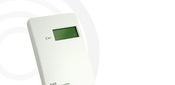
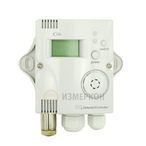
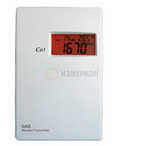
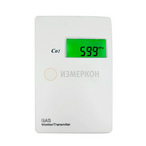
In a bar or restaurant, installing a fixed CO2 sensor is the most relevant solution to protect people who may be exposed to excessively high concentrations of this gas. A fixed gas detector, such as the iMK wall, is ideally placed in the cylinder storage area.
This is a safe solution that will protect this area 24 hours a day, 7 days a week. The sensor's light indication will warn users of a high CO2 level before it becomes dangerous. And the presence of 0-10V or 4..20mA output signals allows you to connect the CO2 sensor for ventilation and automation of the exhaust control process.
Have questions or need advice on selecting equipment for your production? Contact the specialists at «Izmerkon» — we will help find the optimal solution for your needs.
_80x0_e6f.jpg "Pressure Transmitter Series 23SX-H2")
1)_80x0_e6f.jpg "Happy Defender of the Fatherland Day!")
_80x0_c25.jpeg "Radar Level Meter IZMERKON RL 37")


_146x146_c23.jpg "Стрелка")


