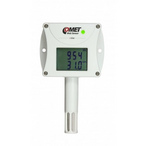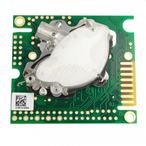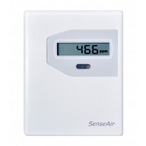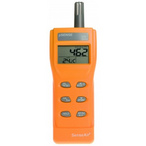






Modern car engines emit many harmful substances, including carbon monoxide (CO), carbon dioxide (CO2), nitrogen oxides (NOX), hydrocarbons, and about 20 others. It is known that all engines produce CO, especially during cold start. To protect against this toxic gas, catalytic converters are installed on vehicles. Thus, a modern engine with a catalyst heated to operating temperatures generates 140 times more CO2 than CO.
Main advantages:
- Public safety
- Energy saving
- Cost reduction
- Environmental protection
What is the purpose of measuring CO2 in garages and tunnels?
Old cars (without a catalyst) mainly produce carbon monoxide. To reduce harmful emissions, modern cars are equipped with catalytic converters. Catalysts are not very effective during cold start, but when heated, they successfully convert CO into CO2.
This means that modern engines produce significantly larger amounts of CO2 than CO. It is well known that CO is extremely toxic, but high concentrations of CO2 are also hazardous to health. Good ventilation is essential to ensure good air quality. However, continuous operation of the ventilation system is inefficient, especially when not needed. Since car engines in garages and tunnels can operate both warm and cold, it is necessary to measure both CO and CO2 to ensure a safe environment.
Existing laws in many countries limit the maximum CO content to 35 ppm. Currently, there are no regulations for measuring CO2, but monitoring the concentration of this gas is no less important.
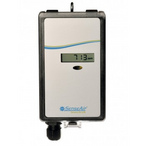
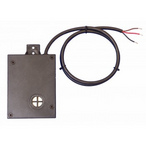
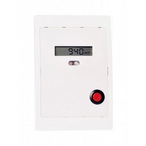
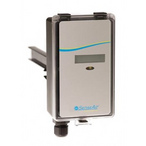
 For this reason, the most optimal solution for use in underground parking lots and tunnels are devices combining sensors for carbon dioxide and carbon monoxide concentrations, such as aSENSE MIII. This device houses two sensitive elements, one measuring CO2 in the range up to 2000 or up to 10,000 ppm, and the other measuring CO in the range up to 100 ppm. In addition to analog outputs and Modbus output, the sensor also has relay outputs that allow signaling an increase in the concentration of either gas.
How does it work?
This converter can be used independently or integrated into a control and management system. The device controls ventilation operation in parking lots and tunnels on the same principle as in classrooms. Instead of the number of students in a classroom, ventilation operation depends on the number of running cars. Typically, sensors for measuring CO2 and CO in garages and tunnels cover an area of 250 m2.
Cost reduction
Studies have shown that in a garage with 77 parking spaces over an area of 1,445 m2, the use of sensors reduced the operating time of ventilation system fans by 90%.
If all garages were equipped, the saved funds would make a significant contribution to society and the environment. Larger garages would save even more by installing ventilation control systems.
Another advantage is fewer people suffering from CO or CO2 poisoning being admitted to hospitals, which helps reduce government healthcare expenses.
If you need to select a carbon dioxide concentration sensor, you can do so in the catalog or by contacting our specialists.
_80x0_e6f.jpg "Pressure Transmitter Series 23SX-H2")
1)_80x0_e6f.jpg "Happy Defender of the Fatherland Day!")
_80x0_c25.jpeg "Radar Level Meter IZMERKON RL 37")