
Open-pit mining at diamond deposits
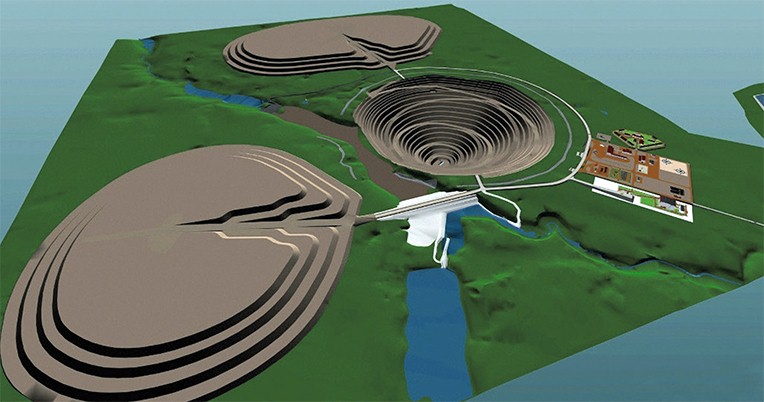
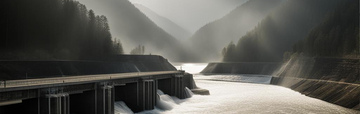
The Griba deposit, located in the Mezensky district of the Arkhangelsk region, is one of the largest diamond deposits in the world. In winter, temperatures can reach -25°C (sometimes even down to -37°C). Exploration work is carried out by the "ArkhangelskGeoExploration" expedition – drilling wells and monitoring the level and temperature of groundwater. The wells are equipped with Keller systems for measuring water levels, which allow the client to save on special vehicles and additional personnel who would have to take readings in remote locations, which are very hard to access.
Installation of water level sensors in hard-to-reach places
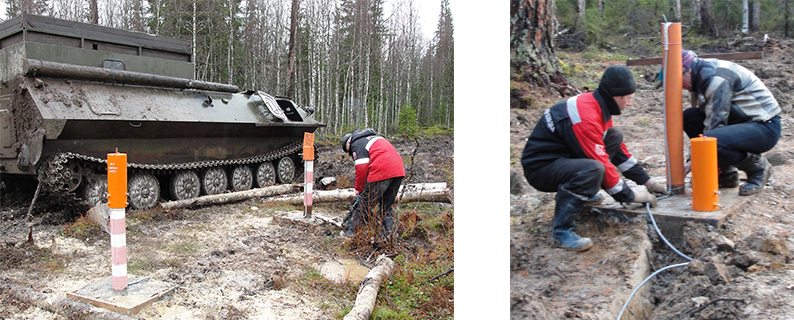
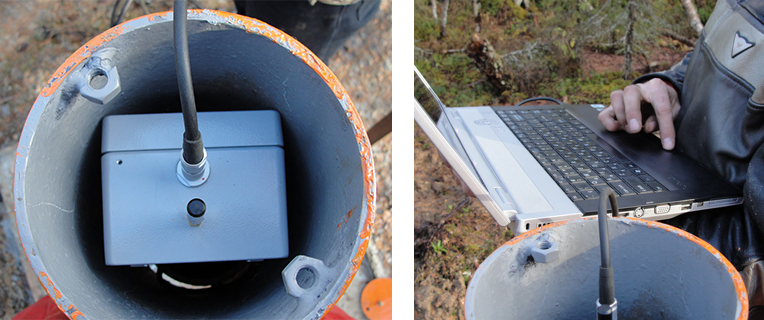
Savings on special transport and additional personnel
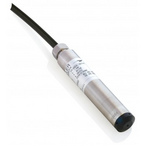
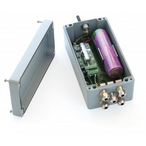
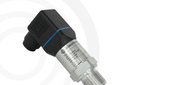
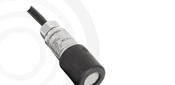
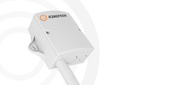
The company monitors the water level and temperature within a 5-kilometer radius around the deposit area. From 2011 to 2014, the water level was controlled in a total of 81 wells (depths from 20 to 270 meters). All 81 wells were equipped with Keller water level monitoring systems, consisting of a hydrostatic pressure (level) sensor RAA-36 XW and temperature sensors, as well as 59 modules of GSM-2 BOX for automatic data logging and transmission via GSM.
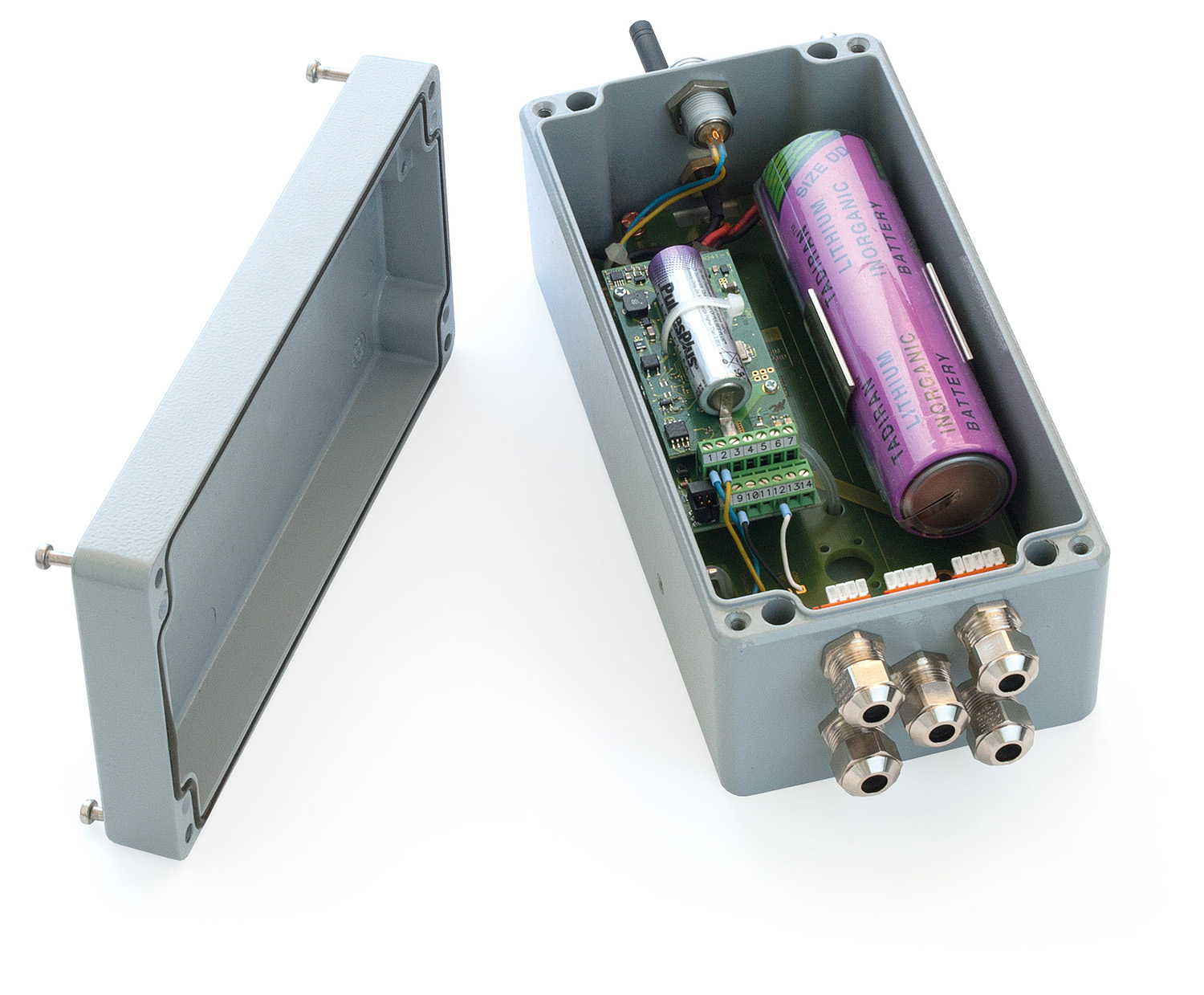

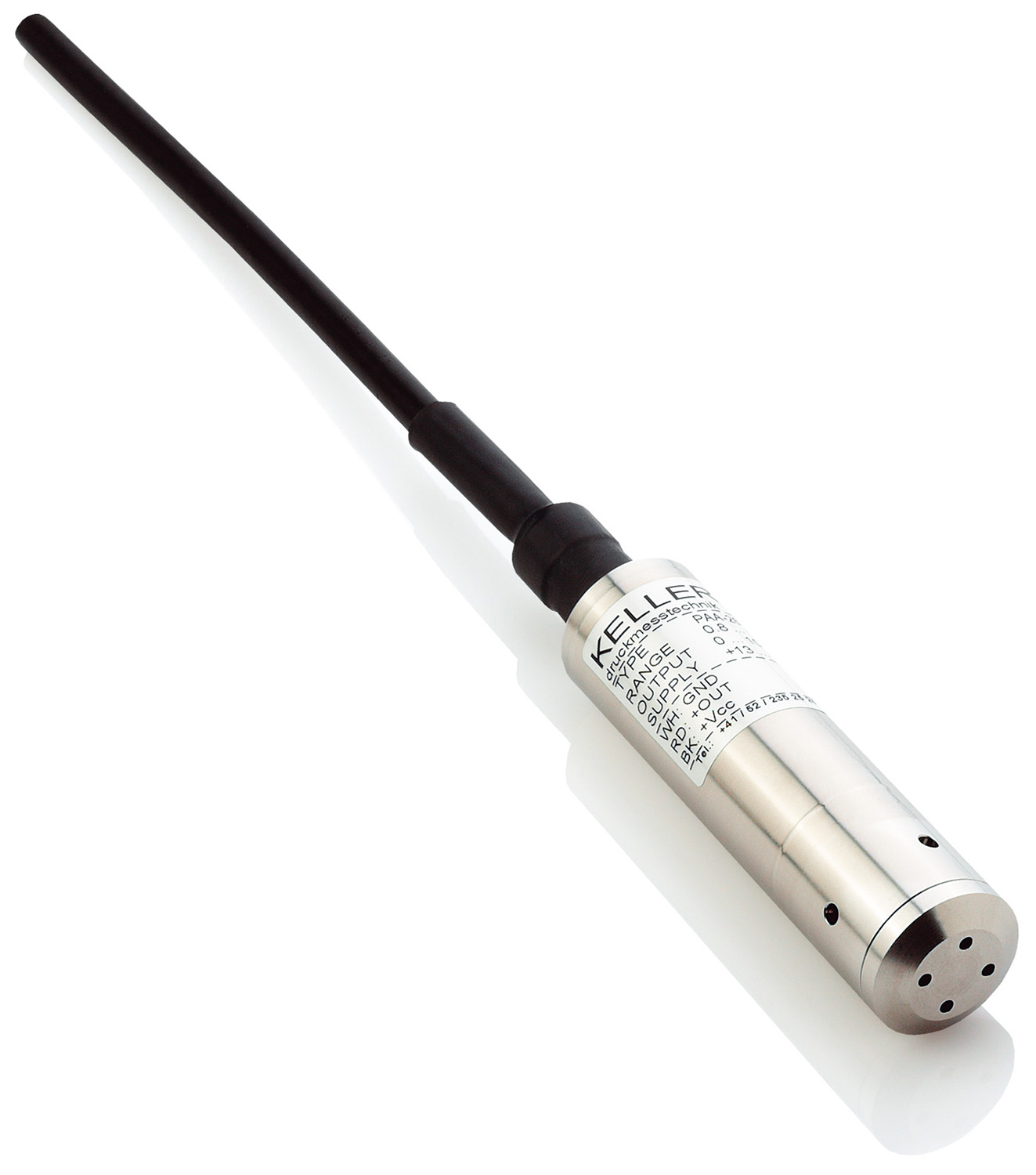
Using autonomous water level control systems allows saving on special vehicles and additional personnel who would conduct manual monitoring in remote and hard-to-reach wells. While the monitoring network consists of a cluster of water wells, only one GSM-2 BOX module can be used to log and transmit data from two to three wells located 5-10 meters apart within one cluster. This allowed the client to reduce the number of GSM-2 modules needed to monitor 81 water wells from 81 to 59. Thus, the client had to purchase 22 fewer GSM-2 modules than expected. This amounted to about 15% of the total cost of all monitoring equipment for this project.
GSM-BOX 2\GSM-2 can be connected to level sensors. The module can log and transmit data once a day under low temperatures (-25...-35°C), with low or unstable GSM signal for several years. Throughout the entire operation period (2011-2016), the client did not have to replace the batteries in their equipment.
Contact our specialists with any questions related to autonomous water level monitoring.
_80x0_e6f.jpg "Pressure Transmitter Series 23SX-H2")
1)_80x0_e6f.jpg "Happy Defender of the Fatherland Day!")
_80x0_c25.jpeg "Radar Level Meter IZMERKON RL 37")