




Powerful energy complexes are used to service industrial, agricultural, and construction enterprises. Almost 80% of all energy produced in the country is consumed by enterprises. It is the costs of thermal and electrical energy that become one of the main expense items (and in Russia, the energy intensity of production is one of the highest in the world).
They can be reduced by implementing energy-saving technologies at the enterprise. These involve upgrading equipment as well as using high-precision control and measuring instruments. Instruments are always selected taking into account the specifics of the industrial facility. For example, enterprises in the heat power and oil industries use devices with an increased degree of protection against external influences.
Popular ways to save: main directions
The main technological measures include:
- Replacing equipment with energy-saving ones, ranging from lamps to heat exchangers and variable frequency drives.
- Increasing productivity in the energy generation process: for example, installing condensing equipment.
- Launching projects for "environmentally friendly" alternative energy (sun, water, wind).
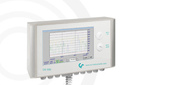
- Monitoring consumed resources and launching control systems.
Research and collected statistical data show that 90% of energy losses are related precisely to irrational consumption, while only up to 10% is lost during transportation and transmission. Therefore, the main directions in energy-saving technologies are related to optimizing the use of heat and electricity. All such measures have their payback period: specialists can easily calculate the economic feasibility of implementing certain processes or purchasing new equipment.
Technical measures
It is the implemented technical measures that effectively reduce the amount of consumed energy, both thermal and electrical. They are costly and labor-intensive, may require significant investments at the initial stage, but provide good results (and noticeable monetary savings). Such measures include:
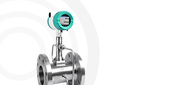
- installation of metering units, flow meters: allows identifying hidden losses and reducing costs by 20-30%;
- installation of small boiler houses for the needs of areas remote from the central mainline: helps eliminate heat losses during transportation;
- implementation of frequency control systems for electric motors in ventilation, pumping systems, and other facilities operating without a constant load;
- installation of starting relays for lamps and replacement of outdated fixtures with energy-saving ones;
- energy generation by processing secondary raw materials directly at production (thus reducing its cost almost 4 times);
- thermal insulation of premises;
- installation and commissioning of solar panels;
- use of organic fuel in boiler houses.
It is also important not to forget about scheduled inspection and repair of all pipelines, cable networks, and other elements of engineering systems, which helps reduce losses. In addition, gas, water, and electricity supply systems must be equipped with modern highly sensitive regulators and metering devices. These are the measures actively implemented at modern enterprises.
As for the latest energy-saving developments, these include vortex-type thermogenerators, heat exchangers in ventilation systems (with additional heat carriers or radiator type), helioactive panels, and solar collectors. Most advanced technologies are too expensive for mass use. The exceptions are only LED lighting and the launch of rotary wind generators.
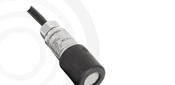
_80x0_e6f.jpg "Pressure Transmitter Series 23SX-H2")
1)_80x0_e6f.jpg "Happy Defender of the Fatherland Day!")
_80x0_c25.jpeg "Radar Level Meter IZMERKON RL 37")


