
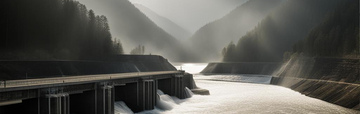

A fairly high percentage of the drinking water we consume is extracted from underground sources. Water that falls as precipitation on the earth's surface not only flows into rivers and lakes; a significant portion of it penetrates underground reservoirs. These aquifers are natural underground storage facilities for drinking water.
Monitoring the groundwater level is necessary to determine the condition of aquifer layers and the use of this water resource. For this purpose, narrow measurement wells are drilled into the ground, allowing monitoring of groundwater levels, determining water quality, and creating maps of aquifer layers.
These wells are also used to determine the extent to which water withdrawal affects the level change of the entire aquifer layer.
If the ground consists of water-permeable rocks and sand, then after water is withdrawn from the well, the level will drop over the entire area of the aquifer formation, as water from neighboring reservoirs can penetrate into the area where the well is located. Also, in case of precipitation, the groundwater level will rise, as water can easily penetrate from the surface through the easily permeable ground.
However, if water lies in layers through which penetration is difficult (for example, clayey layers), the aquifer will consist of many separate isolated pockets. In this case, water withdrawal will lead to a sharp and rapid drop in the level, and replenishment may take significantly longer. At the same time, level meters in neighboring wells will not show a sharp drop in level, as it will take more time for water to penetrate into the pocket from which the withdrawal was made.
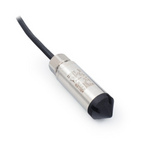
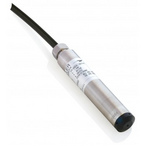
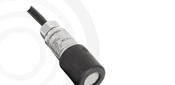
 Measurement wells are also used to monitor water quality, in particular, to ensure that pollutants have not entered the groundwater. This can be relevant, for example, in places near landfills, where a rise in level can lead to mixing of contaminated and clean water. To prevent this, monitoring of both groundwater levels and contaminated water reservoirs should be carried out. Monitoring systems for these applications usually include both level sensors (for example, 26Y or 36XW) and water quality control devices.
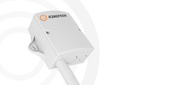
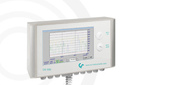
 In addition to the level sensor itself, the monitoring system may include an autonomous data logger that records data received from the sensor and transmits it via e-mail (GPRS internet connection) or SMS. Such loggers include, for example, the Keller device GSM-2.
The amount of potable water available on Earth is estimated at approximately 3% of the total volume of water, with free access only to one-third of this amount, as the rest consists of groundwater. For this reason, it is extremely important to monitor groundwater levels to preserve this resource and use it without harming the environment.
If you need to measure groundwater levels and require a level sensor, you can find a suitable device in our catalog or contact our specialists who will help you choose a sensor.
_80x0_e6f.jpg "Pressure Transmitter Series 23SX-H2")
1)_80x0_e6f.jpg "Happy Defender of the Fatherland Day!")
_80x0_c25.jpeg "Radar Level Meter IZMERKON RL 37")