


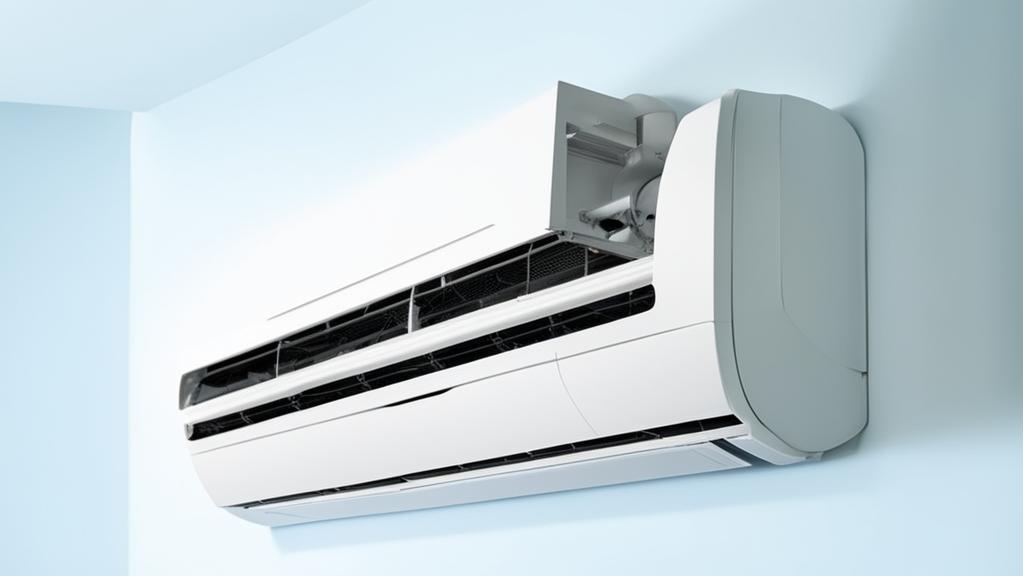
Air conditioning systems allow cooling the air inside a room during hot weather and increasing the room temperature in cold seasons. Although air conditioning has been used for quite a long time, in some places it still remains a luxury. Air conditioning systems come in various designs, have different power ratings, and are available both as portable devices and as stationary installations.
The basic principle of an air conditioner is simple: warm air is drawn inside and cooled using a refrigerant, then the cold air is released back into the room. This allows setting the desired temperature in the room.
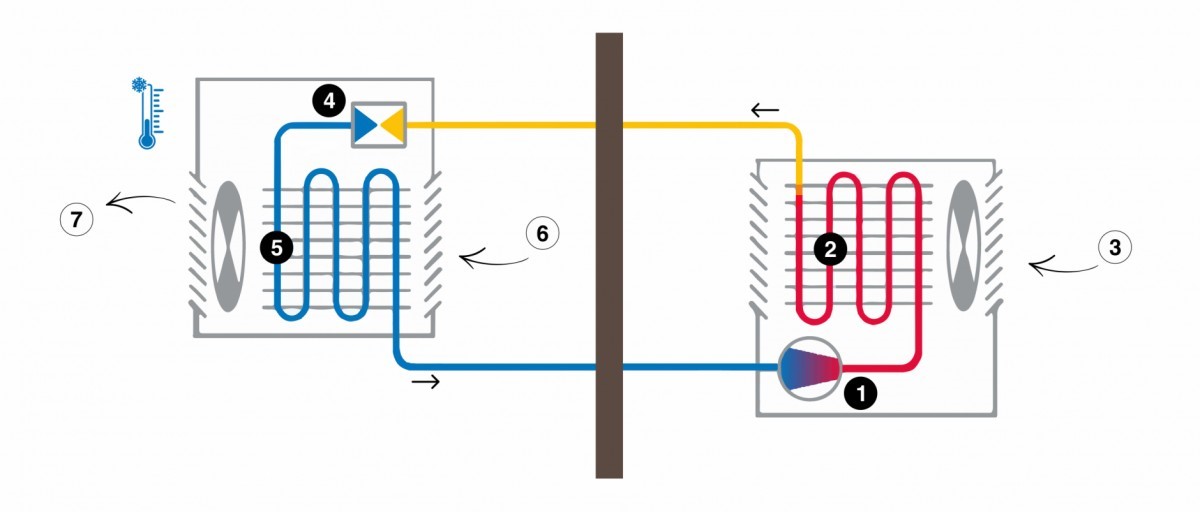
The air conditioning system consists of four main components: a compressor, a condenser, a thermostatic expansion valve, and an evaporator. A continuously circulating refrigerant is also necessary for the air conditioner to operate.
The compressor (1) is used to suck in the freon and compress it, after which the temperature and pressure of the refrigerant increase. Then the freon goes to the condenser (2), where it is cooled by an airflow from the surrounding environment (3), created by a fan. This ensures condensation and liquefaction of the freon. The liquid freon, still under high pressure, passes through the thermostatic expansion valve (4) to the evaporator (5). When freon accumulates before the thermostatic expansion valve, its pressure drops. The pressure drop returns the refrigerant to a gaseous state and causes it to lose heat. Warm ambient air (6) flows to the evaporator and is cooled. The heat from the air is absorbed by the cooled freon, after which the liquid refrigerant transforms into gas, returning to the compressor for recompression. The cooled air (7) is blown back into the room.
Use of pressure sensors KELLER for airflow regulation
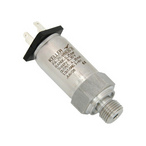
Since maintaining the correct temperature is primarily required for comfort, most air conditioners are equipped with controllers known as speed regulators to set the desired temperature. Temperature adjustment affects the rotation speed of built-in fans and the strength of the airflow. These parameters, in turn, influence the regulation of refrigerant pressure. The current pressure in the system is measured using pressure sensors (for example, 21Y) located on the discharge and suction sides of the air conditioner. When the pressure in the system rises, the control device increases the fan speed that cools the condenser with air from the surrounding environment.
Our highly qualified specialists will help you select sensors for your tasks, also please note the wide range of pressure sensors in our catalog.
_80x0_e6f.jpg "Pressure Transmitter Series 23SX-H2")
1)_80x0_e6f.jpg "Happy Defender of the Fatherland Day!")
_80x0_c25.jpeg "Radar Level Meter IZMERKON RL 37")