





Correct cabin pressure is crucial in the aerospace industry. After all, a pilot who loses consciousness due to lack of oxygen won’t be very helpful in controlling the aircraft.
Therefore, engineers have to design a cabin pressure system that can withstand even the most extreme conditions of the airplane. For this, of course, a lot of time is spent on bench testing and retesting every manifold, valve, and high-pressure vessel. So, what do we need to create an effective and reliable cabin sealing system? Of course, a pressure sensor. In this article, we will look at many of the possible options and applications of Keller pressure sensors and how we can use them in this situation.
When planning a cabin pressure test, the main focus is on two factors: heat resistance and overall accuracy. For our example, let’s move forward with a turbofan aircraft. When air enters the engine, it is compressed by a series of rotors, and part of this compressed air is directed to the cabin air system for the pressurization process. Since the incoming air is compressed, the temperature will rise very quickly. Immediately after this initial compression, the cabin air is transferred to a pre-intercooler to release some of this heat into the surrounding air.
 There is a lot of heat in this area of the system, so if we want to install a test pressure transducer in this space for fine-tuning or verifying the cabin sealing process, we will need one with exceptionally high heat resistance. The Keller pressure sensor line has a temperature limit up to 200°C and an active thermal compensation range up to 180°C, where the sensor will continue to operate and transmit accurate data even in these warm conditions. Additionally, Keller has adapted a fully customizable and modular approach to their design process to provide us access to many other features in addition to the excellent temperature range. Once the compressed air is sufficiently cooled and its pressure is recorded by the test sensor, the air can flow into the primary manifold, where the still warm air mixes with cooler atmospheric air to provide a comfortable environment for the pilot. This is another important link in the cabin sealing process, and therefore it is very likely to be equipped with a test sensor throughout the system testing process. However, the conditions here are significantly different from those observed in the intercooler. Can the same pressure sensor work here? Of course it can! The wonderfully adaptable modular approach to the Keller pressure sensor line ensures that a sensor can always be ordered to meet any customer requirements.
Therefore, accurate pressure measurements are critical to ensuring that the cabin maintains standard atmospheric pressure at ground level. With this in mind, we have the option to choose the sensor with the smallest possible error.
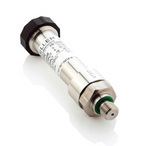
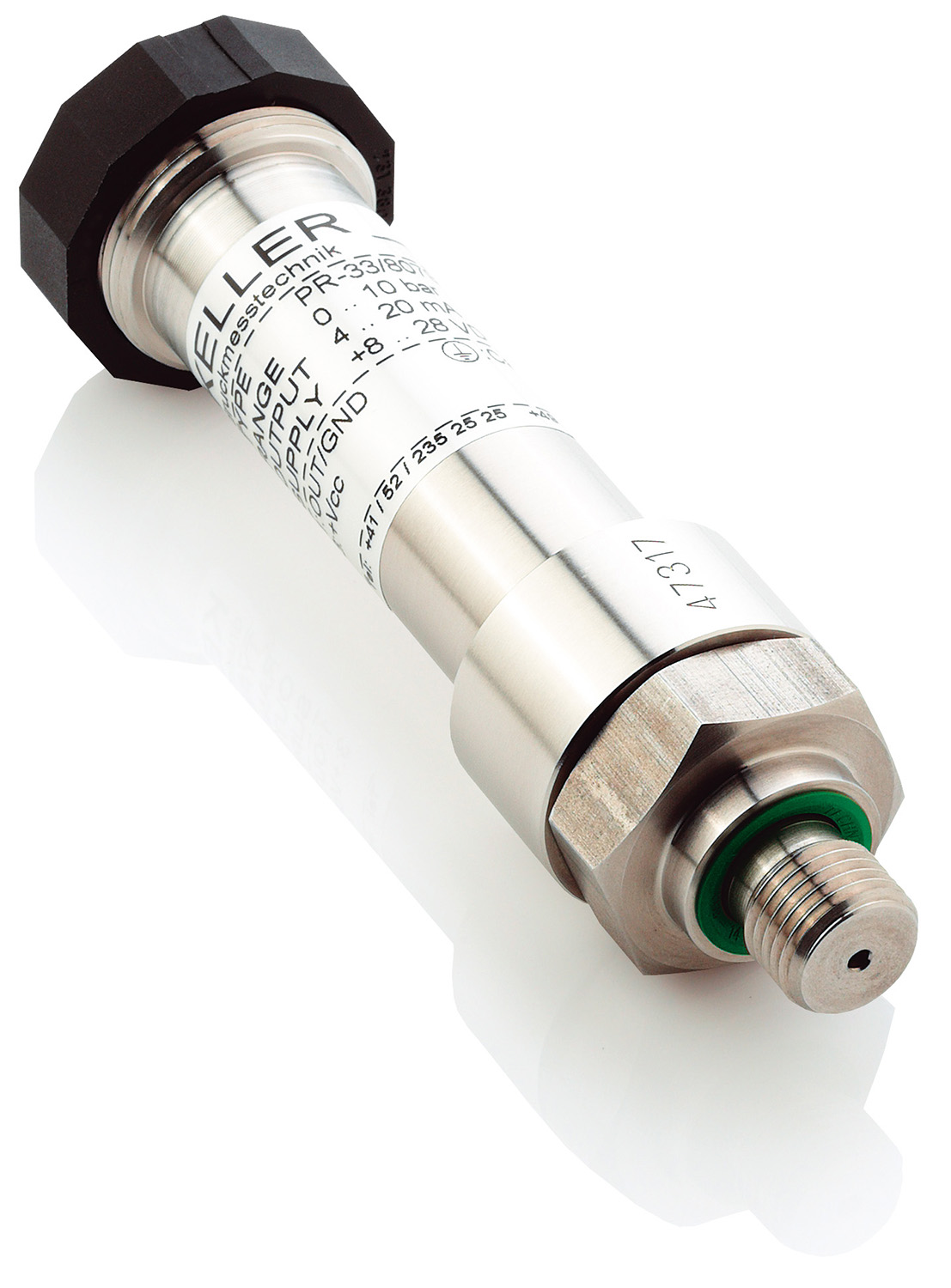 This high-precision 33X sensor ensures that engineers will have reliable data for this stage of cabin sealing measurements. Keller also offers flexibility in choosing from a long list of possible electrical connectors and output signal types to ensure that each sensor is precisely assembled according to customer needs. The final stage in the cabin pressure system, which could be equipped with a sensor during testing, is the exhaust valve. This is where excess air is released into the atmosphere if the cabin approaches the overpressure point. Just like the sensor in the manifold, accuracy is key to ensuring the required cabin pressure at all times. Therefore, our sensors are perfectly suited for this task.
Let’s recap the sequence we created according to our test plan. First, we have the intercooler, which plays a fundamental role as air moves toward the passenger cabin. Therefore, this location is also fundamental for our testing and requires a sensor that can record highly accurate data while resisting rapid temperature changes in this specific area. Then we moved to the manifold or air mixing box, where accuracy and consistency are paramount. The final stage is the outflow valve, where we again need to accurately measure and record pressure data for our test, and again we can check off Keller pressure sensors as capable of maintaining high performance. Overall, the 33X pressure sensor can meet all the diverse testing needs in the dynamic and complex aircraft system.
_80x0_e6f.jpg "Pressure Transmitter Series 23SX-H2")
1)_80x0_e6f.jpg "Happy Defender of the Fatherland Day!")
_80x0_c25.jpeg "Radar Level Meter IZMERKON RL 37")