
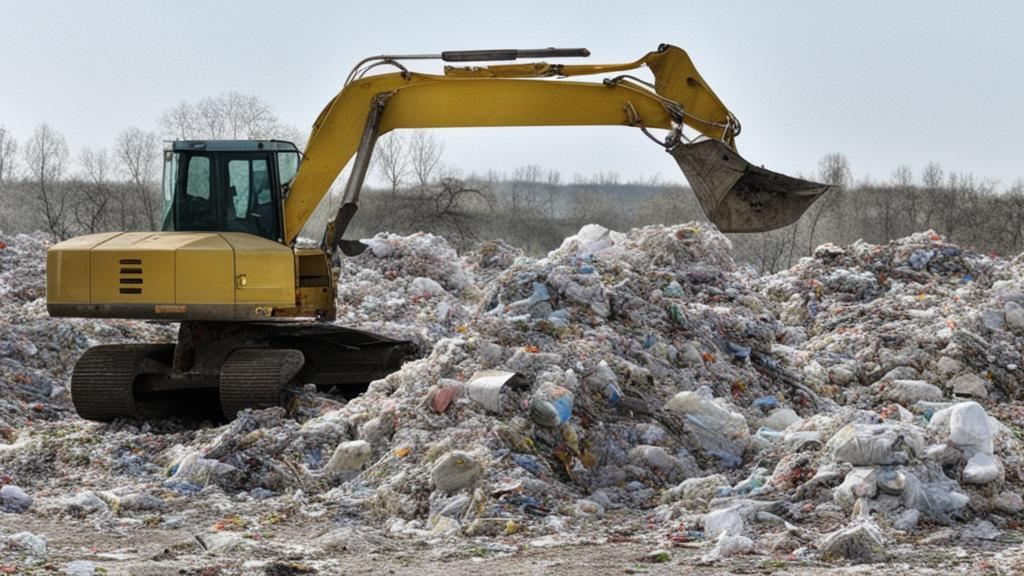
Landfills are one of the oldest methods of waste disposal. Usually, landfills are located above a natural or artificial underground protective layer that prevents liquid waste from penetrating deeper into the ground and contaminating groundwater. Thus, monitoring the level in tanks containing waste is necessary to prevent their penetration into the soil and harm to people and the environment.
Water falling as precipitation washes toxic liquids such as acids and oils out of the garbage, mixes with them, and then accumulates in tanks located under the landfill. Monitoring the level of this water helps prevent tank overflow by pumping out excess water when necessary, thereby preventing contamination of nearby groundwater.
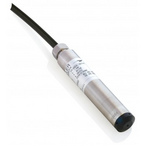
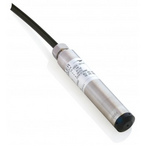
Conducting measurements under these conditions can be one of the most challenging tasks in level measurement. For monitoring, a submersible level transmitter is lowered through a pipe into the tank with liquid waste.
Since the submersible transmitter and cable are in direct contact with an aggressive environment, the device may need to be made from special materials.
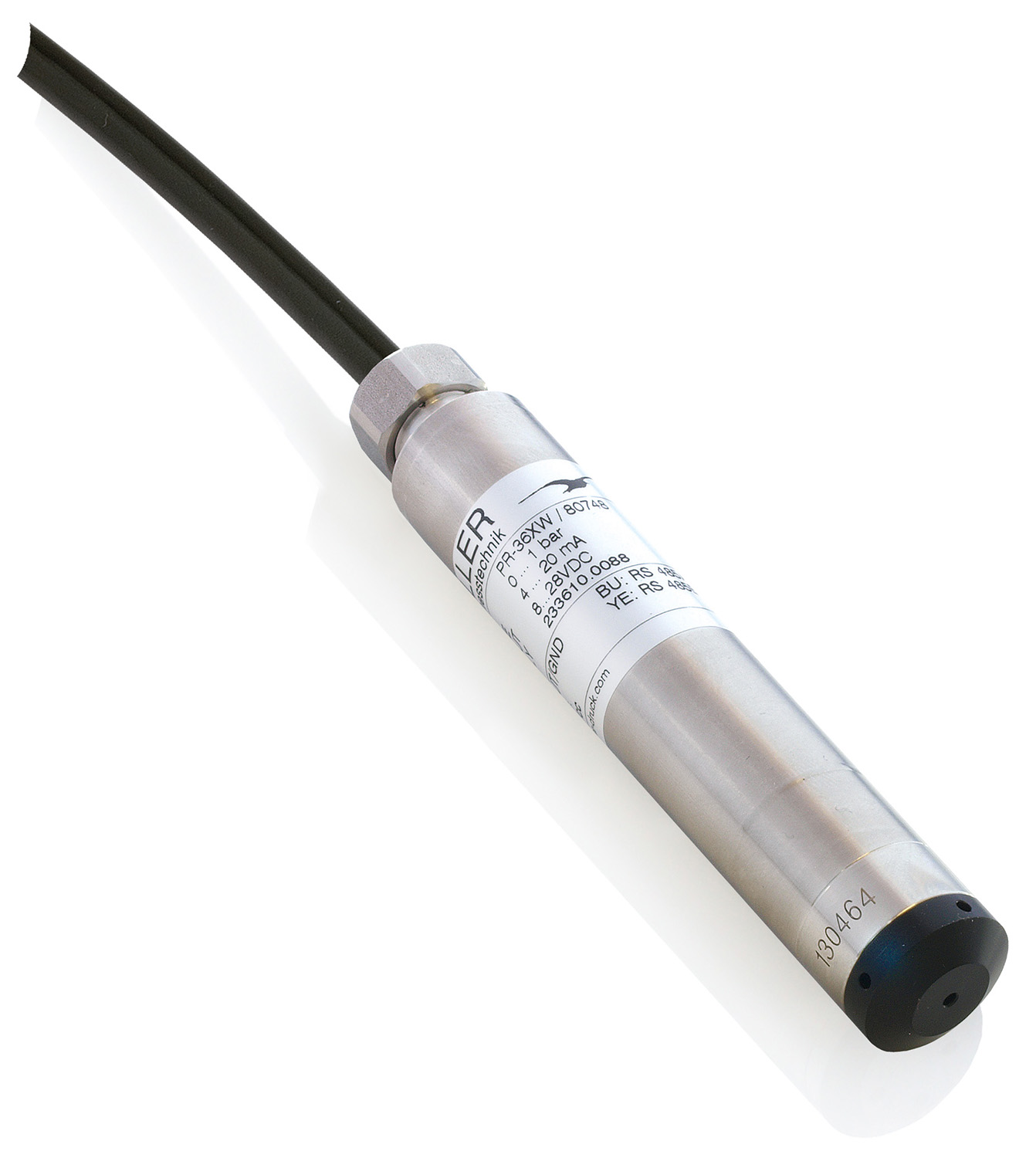 The Keller level transmitter 36XW can be made from stainless steel 316L or more resistant materials (for example, titanium). As for the device cable, level meters can be equipped with cables made from materials such as Teflon (FEP) or polyester (Hytrel TPE-E). All this allows Keller level sensors to be used in aggressive environments, including for level measurement at landfills.
Liquid waste may even be deliberately returned to the landfill to accelerate the decomposition process of the garbage. A byproduct of waste decomposition can be methane release. In this case, the landfill can be considered a high-risk area, and the sensor used in these conditions may require explosion protection.
Specifically for such applications, the 36XW sensor can be produced in a special explosion-proof version 36XW Ei.
Liquid waste passes through tanks where continuous level monitoring is conducted. Before returning to the natural environment, this liquid undergoes treatment depending on its composition and the content of pollutants. The composition of liquid waste and the quality of water after treatment will vary depending on the age of the landfill and the type of waste contained in it.
Without an accurate liquid waste level monitoring system, engineers working at the landfill would have to operate blindly, which could lead to groundwater contamination and harm to the environment and population.
If you need to select a level sensor, you can do so in the catalog or by contacting our specialists.
_80x0_e6f.jpg "Pressure Transmitter Series 23SX-H2")
1)_80x0_e6f.jpg "Happy Defender of the Fatherland Day!")
_80x0_c25.jpeg "Radar Level Meter IZMERKON RL 37")