
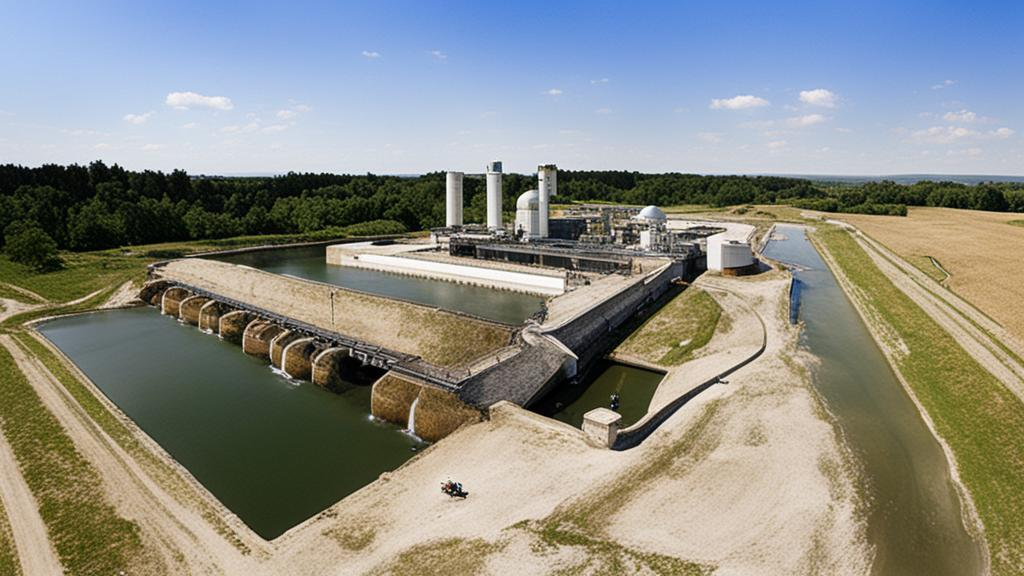
Sewer system builders usually lay pipes at a certain slope so that wastewater can move independently, under the force of gravity, towards the treatment facilities. Pumping and lift stations are used to raise water to the initial height. Since the pumps operating at these stations must be protected from drying out, there is a need to monitor the water level.
A lift station usually consists of a tank equipped with a level transmitter and a sewage or submersible pump that pumps water to a certain height. When the tank fills, the sensor sends a start signal to the pump. The main task of level monitoring at pumping stations is to start the pump when there is enough water for pumping and to turn it off at a low level. In case of pump failure, the level sensor can send an alarm signal to alert technical specialists about the problem.
With the help of a level sensor, it is also possible to control the operation of multiple pumps simultaneously, adjusting their mode depending on the load condition of the sewer system. Based on the level value and the filling rate of the tank, the transmitter allows determining how many pumps should operate at each time period.
 Submersible level transmitters are simple to install and use. They allow ignoring the shape of the tank and the presence of various obstacles. Also, the transmitter readings are not affected by foam and debris on the water surface. Pumping stations often operate automatically without personnel presence, so it is necessary to rely on remote monitoring systems that can demonstrate high accuracy and long-term reliability. Hydrostatic level sensors have proven themselves as devices capable of providing reliable, accurate, and stable measurements even without operator intervention.
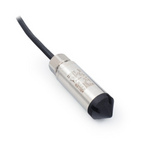
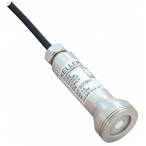
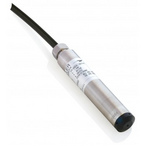
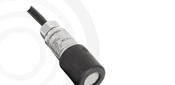
Sensors used for level monitoring differ depending on the type of water to be measured. For slightly polluted and rainwater, level meters such as 26Y or 36XW are suitable. For use in heavily polluted water and sewage environments, special sensors with a wide and well-protected membrane are required, such as level transmitters of the 36XKY series.
Movement under the force of gravity is the most efficient way to transport water to treatment facilities. Reliable and accurate water level monitoring at pumping stations can reduce costs and increase the overall efficiency of the sewer system.
If you need to select a level sensor, you can do so in the catalog or by contacting our specialists.
_80x0_e6f.jpg "Pressure Transmitter Series 23SX-H2")
1)_80x0_e6f.jpg "Happy Defender of the Fatherland Day!")
_80x0_c25.jpeg "Radar Level Meter IZMERKON RL 37")