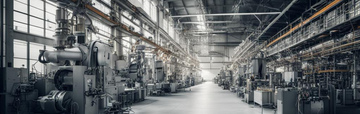
The flotation machine control system is a set of technical solutions aimed at automatically maintaining a set of technological parameters that directly affect the quality of flotation. This system is a key distinction of modern flotation machines from their predecessors and plays an important role in ensuring high flotation quality.
.png)
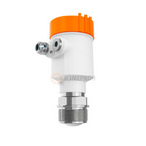
In the case of impeller flotation machines, the minimal control system includes a bottom valve that regulates the pulp level by opening or closing it. Pneumatic cylinders with pneumatic positioners, which execute the required commands, are usually used for this task. The ultrasonic level sensor provides the feedback necessary for precise control of the pulp level.

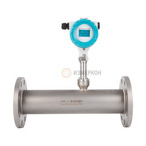
In pneumatic flotation machines, additional components are added, such as an air flow sensor and a rotary damper with a pneumatic drive, which regulate the air supply for aeration. The pneumatic drive of the rotary damper is also equipped with a pneumatic positioner, similar to pneumatic cylinders.

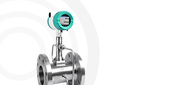
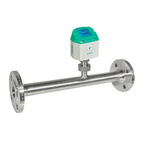
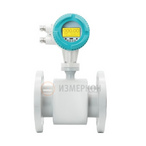
The flotation machine control system includes additional components beyond standard sensors and actuators. For example, an electromagnetic pulp flow meter monitors the quantity and speed of pulp supplied to the flotation machine, and a density meter provides information for pulp preparation before flotation.

Measurement of flotation reagent flow
The electromagnetic flow meter for flotation reagent and pH meter automate reagent supply, ensuring precise control of chemical processes. An important aspect of the control system operation is maintaining technological parameters within certain limits set for a specific flotation machine. This allows ensuring its optimal operation and achieving high flotation quality, as well as maximum recovery of the industrial product.
We will be happy to provide consultation on any questions you may have. Just fill out the form and our specialists will contact you shortly.
_80x0_e6f.jpg "Pressure Transmitter Series 23SX-H2")
1)_80x0_e6f.jpg "Happy Defender of the Fatherland Day!")
_80x0_c25.jpeg "Radar Level Meter IZMERKON RL 37")


_146x146_c23.jpg "Стрелка")
_146x146_c23.jpg "Стрелка")