


What is an Aeration Tank?
An aeration tank is a key piece of equipment in the wastewater treatment process that supplies compressed air to the wastewater to saturate it with oxygen, promoting the breakdown of organic substances in the wastewater by microorganisms to achieve purification. When compressed air is supplied to the water, numerous bubbles are formed. These bubbles not only transfer oxygen into the water but also stimulate water circulation, increasing the oxygen diffusion area, which further enhances the activity and efficiency of microorganism metabolism. The aeration tank is a main component of the activated sludge wastewater treatment process, and its efficiency directly affects the overall performance of the wastewater treatment system.
The Importance of the Aeration Tank
The primary function of the aeration tank is the effective decomposition of organic substances and the removal of nutrients such as nitrogen and phosphorus from the water, preventing eutrophication. Continuous supply of compressed air ensures oxygen delivery, and bubble formation promotes water circulation, providing even oxygen distribution to meet the metabolic needs of microorganisms. However, supplying compressed air requires significant energy costs, so precise control of air supply not only saves energy but also improves treatment efficiency and reduces operating costs. Maintaining the necessary dissolved oxygen level is crucial to ensuring the high efficiency of the aeration tank. Excessive oxygen levels can significantly increase compressed air energy consumption, leading to unnecessary energy expenses and higher operating costs.
Why Are Measuring Instruments Needed?
Measuring equipment plays an important role in aeration tanks by providing real-time data on dissolved oxygen as well as air velocity and flow, allowing operators to precisely adjust the compressed air supply. This ensures even distribution of oxygen and water flow and helps avoid unnecessary energy losses. In the context of rising compressed air costs, sensors help reduce excessive air consumption, lowering energy use, extending equipment life, and increasing the economic efficiency and stability of the wastewater treatment system.

Application of Transmitters in the Aeration Tank
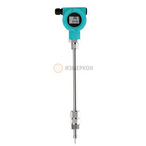
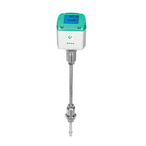
- Flow velocity sensor with differential pressure sensor
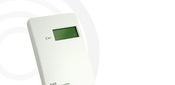
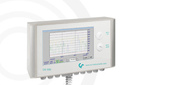
Flow velocity sensor combined with a differential pressure sensor provides real-time feedback on changes in air flow, allowing adjustment of aeration to reduce electricity losses and prevent the impact of excessive aeration on the biological system. When used with a controller featuring a relay function, it provides more accurate air flow monitoring and automated control, making the aeration system operation smarter.
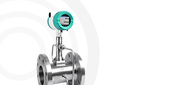
- Compressed air flow sensors
Oxygen supply to the aeration tank is provided by compressors, and flow sensors are used to control the amount of air supplied to the tank. These sensors ensure a stable and sufficient oxygen supply to maintain the efficiency of microorganism metabolism while avoiding electricity losses due to excessive oxygen production.
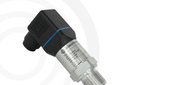
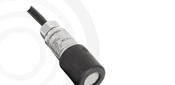
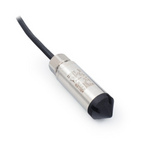
- Level sensors
Level sensors monitor the inflow and outflow of water in the aeration tank, maintaining the water level within an optimal range to preserve the stability of the water treatment process. This helps improve aeration efficiency and prevents system overload.
The use of these sensors allows precise control of the operating parameters of the aeration tank, helping treatment facilities implement intelligent management, significantly increasing treatment efficiency, reducing energy consumption, and ensuring compliance with environmental standards.
For more information about instruments and cooperation opportunities, you can contact IZMERKON by phone at +7 (812) 309 56 05 or via the feedback form.
_80x0_e6f.jpg "Pressure Transmitter Series 23SX-H2")
1)_80x0_e6f.jpg "Happy Defender of the Fatherland Day!")
_80x0_c25.jpeg "Radar Level Meter IZMERKON RL 37")


_146x146_c23.jpg "Стрелка")