






Electromagnetic flowmeters hold an important place among devices for measuring liquid flow due to their high accuracy, lack of moving parts, and ability to work with aggressive and abrasive media. However, the reliability and accuracy of these devices largely depend on the correct choice of electrode material – the elements that directly contact the measured medium and register the induced EMF.
The choice of electrode material is a complex engineering task requiring consideration of many factors: the chemical composition and aggressiveness of the measured medium, process temperature and pressure, presence of abrasive particles, hygiene requirements (in the food and pharmaceutical industries), as well as economic feasibility. An incorrect choice can lead to reduced measurement accuracy, electrode corrosion, or even flowmeter failure.
This article will be useful for specialists involved in the design, operation, and maintenance of flow measurement systems in the chemical, petrochemical, food, pharmaceutical industries, as well as in water treatment and purification systems.
Main requirements for electrodes
- Electrical conductivity – the material must ensure reliable contact with the liquid;
- Corrosion resistance – resistance to chemical effects of the measured medium;
- Wear resistance – resistance to abrasive effects of solid particles in the liquid;
- Biocompatibility (for food and pharmaceutical industries);
- Potential stability – constancy of its metrological characteristics over time.

Stainless steel SS316L
In electromagnetic flowmeters, stainless steel SS316L is a common choice due to its optimal combination of electrical conductivity, corrosion resistance, and economic efficiency. The 2-3% molybdenum content provides resistance to moderately aggressive media, including chloride-containing solutions. This material shows stable performance when measuring the flow of aqueous solutions, wastewater, and neutral chemical compositions. However, during prolonged operation in aggressive media, a passive layer may form, requiring periodic electrode maintenance to maintain signal quality.
Advantages:
- Good corrosion resistance in water and mildly aggressive media;
- Sufficient mechanical strength;
- Low cost.
Disadvantages:
- Not suitable for highly aggressive media (acids, chlorides);
- May passivate, which worsens contact.
Hastelloy B/C
Hastelloy B alloy, containing an increased amount of molybdenum (about 28%), is specially designed for use in reducing environments. In electromagnetic flowmeters, it demonstrates excellent resistance to hydrochloric acid of any concentration, sulfuric acid in the absence of oxidizers, as well as to phosphoric and formic acids. However, its use is limited to media without oxidizing components, as their presence can accelerate corrosion damage.
Electrodes made from Hastelloy C alloy are used in the most demanding operating conditions. The nickel-molybdenum-chromium composition provides exceptional resistance to hot acids, including sulfuric and hydrochloric acids, as well as chloride-containing solutions. In electromagnetic flowmeters, such electrodes ensure measurement stability in the chemical and pharmaceutical industries, where ordinary materials quickly degrade.
Despite the high cost, the use of electrodes made from Hastelloy alloys is economically justified in highly aggressive environments, where they provide many years of uninterrupted flowmeter operation. They are especially in demand in the production of chemical reagents, petroleum processing, and the creation of ultra-pure substances.
Advantages:
- High corrosion resistance in aggressive media (acids, alkalis);
- Durability in the chemical industry.
Disadvantages:
- High cost;
- Excessive characteristics for many standard applications.
Titanium
Titanium electrodes are distinguished by outstanding corrosion resistance, especially in chloride-containing media. The formation of a strong oxide layer makes them ideal for use with seawater, process solutions, and food products. In electromagnetic flowmeters, titanium electrodes provide durability and measurement stability in shipbuilding, desalination plants, and the food industry.
Advantages:
- Excellent corrosion resistance, especially in chloride-containing media;
- Biocompatibility (food, pharmaceutical industry).
Disadvantages:
- High price;
- Limited resistance in some acids (e.g., sulfuric acid).
Tantalum
Tantalum is used in special cases requiring maximum chemical resistance. In electromagnetic flow meters, tantalum electrodes maintain functionality even in concentrated acids at elevated temperatures, including sulfuric, hydrochloric, and nitric acids. They provide signal stability and high measurement accuracy, which is critically important for chemical production and pharmaceuticals. However, the high cost and brittleness of the material limit its use to particularly critical tasks.
Advantages:
- Exceptional chemical resistance (especially in acids);
- Stable potential, low noise level.
Disadvantages:
- Very high cost;
- Brittleness, difficulty in processing.
Platinum-Iridium
Platinum and its alloys with iridium represent a solution for particularly critical applications. In electromagnetic flow meters, such electrodes provide absolute chemical inertness and stability of electrochemical potential. They are indispensable when working with high-purity media in pharmaceuticals, microelectronics, and precise chemical analysis. The addition of iridium increases mechanical strength without degrading characteristics, allowing their use in conditions where purity and measurement accuracy requirements are exceptionally high.
Advantages:
- Perfect corrosion resistance;
- High signal stability;
- Suitable for highly purified media.
Disadvantages:
- Extremely high cost;
- Softness, susceptibility to mechanical damage.
Tungsten Carbide
This material combines exceptional hardness and wear resistance with good electrical conductivity, making it an ideal choice for working with highly abrasive media such as pulps, sludges, and suspensions with solid inclusions. Unlike metal electrodes, tungsten carbide ones are practically not subject to erosion wear, maintaining signal stability throughout their service life. At the same time, tungsten carbide demonstrates good corrosion resistance in most chemical media, except for strongly alkaline solutions at elevated temperatures.
Advantages:
- Exceptional wear resistance;
- Durability;
- Corrosion resistance - resistant to most acids (except hydrofluoric and nitric) at room temperature.
Disadvantages:
- High price;
- Limited alkali resistance - not recommended for concentrated alkaline solutions at temperatures above 60°C.
The choice of electrode material for electromagnetic flow meters is a key factor determining measurement accuracy, equipment durability, and economic efficiency of its operation.

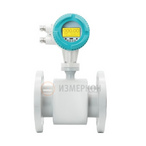
Electromagnetic Flow Meter EM 470 by «IZMERKON» offers unique flexibility in electrode material selection, allowing you to choose the optimal solution for any technological conditions.
For consultation on selecting and purchasing electromagnetic flow meters, as well as other control and measuring equipment, contact «IZMERKON» – our specialists will help you choose the device suitable for your task.
_80x0_e6f.jpg "Pressure Transmitter Series 23SX-H2")
1)_80x0_e6f.jpg "Happy Defender of the Fatherland Day!")
_80x0_c25.jpeg "Radar Level Meter IZMERKON RL 37")