






Sensor technologies play a key role in the maritime sector and, in particular, in the shipbuilding industry. To prevent leaks of aggressive liquids, manage ship water circulation systems, and ensure uninterrupted cargo transportation by sea, reliable and accurate measurement of parameters such as pressure and temperature of the medium in various tanks is necessary.
The technologies used in this field must meet a number of strict requirements. First and foremost, materials with high strength and long-term operational capability must be used. The electronics must also withstand harsh marine conditions and have a long service life.
Cargo transported by sea can be either dry or liquid bulk. The term "dry cargo" is used to denote bulk goods such as grain and animal feed, as well as packaged goods typically stored in containers. Liquid bulk cargo, in turn, requires special attention during transportation, as it often contains hazardous substances, for example, petroleum products (gasoline, diesel fuel, oils). The materials used for transportation must have sufficient strength and reliability to prevent leakage of the aggressive liquid medium and, consequently, accidents that lead to serious environmental consequences. Thus, the sensor system must also meet the highest standards.
Tanks for Domestic Freshwater and Wastewater
Domestic freshwater or drinking water on cargo ships is transported in special tanks or obtained from seawater through desalination. The processes of collecting, treating, and disposing of wastewater in internal storage systems are controlled using appropriate technologies. Since wastewater is often contaminated with pollutants such as oils or detergents, its treatment is also subject to certain requirements. Both domestic freshwater systems and wastewater systems are subject to inspection and control using built-in sensors. Sensor technologies enable the most effective monitoring of all systems, which in turn guarantees high-quality and uninterrupted water supply on the ship.
Ballast Systems
Ballast tanks are an important part of the ship's structure. Without filling the ballast system, large cargo ships can become too light, causing the propellers to be insufficiently submerged in water. To ensure proper draft, ballast tanks are filled with seawater and used to adjust the weight distribution of the loaded ship. Since seawater is used for the ballast system, the materials of the tanks and sensors must have high strength and corrosion resistance. Special attention is also paid to reliability and durability: installed sensors are practically inaccessible during ship maintenance, so they must operate without any technical maintenance or inspection.

Special Requirements for Sensor Use
In recent years, the shipbuilding sector has seen a continuous stream of significant technical improvements, and sensor manufacturers must respond accordingly. For example, 15 years ago, insufficient wear resistance of stainless steel was a serious problem. Today, it is recognized that stainless steel corrodes when in contact with saltwater at temperatures above 21 °C, and titanium is now preferred. This metal is among the regularly used materials for the production of a range of pressure transmitters and level sensors by Keller, as it possesses extraordinary strength and resistance to the harshest environmental conditions.
Technological requirements change year by year as the industry grows and develops. Solutions that were considered standard until recently may now seem completely unsuitable. In this regard, Keller constantly strives to advance sensor manufacturing technologies, thereby ensuring the reliability and high accuracy of its products even under the increasing demands of the industry.
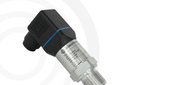
_80x0_e6f.jpg "Pressure Transmitter Series 23SX-H2")
1)_80x0_e6f.jpg "Happy Defender of the Fatherland Day!")
_80x0_c25.jpeg "Radar Level Meter IZMERKON RL 37")


