


The Need for Using Machines for Aircraft Anti-Icing Treatment

Almost every motorist periodically faces the need to clean the car surface from snow and remove ice from the windows. A similar procedure is an extremely important stage in preparing aircraft for flight in conditions of snowfall and ice formation and is called anti-icing treatment.
In order for the protection of the aircraft from icing to last as long as possible, the treatment is carried out in a specially designated area as close as possible to the moment of takeoff. Anti-icing treatment is primarily required to ensure safety, since deposits of ice and snow on the surface not only increase the overall weight of the aircraft but also worsen its aerodynamic properties.
Ensuring the Supply of Anti-Icing Fluids
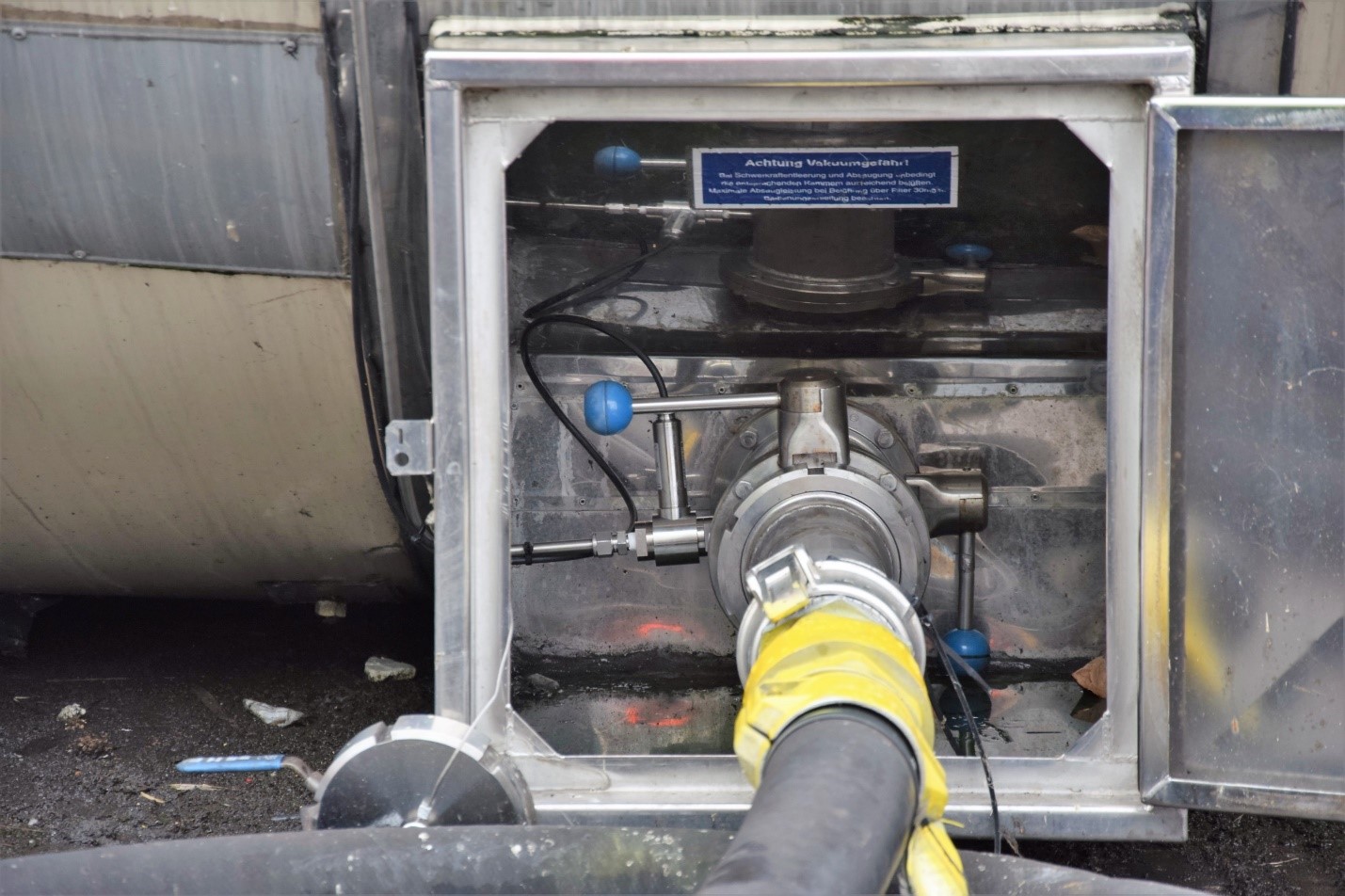
Anti-icing treatment is carried out using a liquid that is an aqueous solution of glycol at a concentration of at least 50%. There are four types of fluids used for treatment in total.
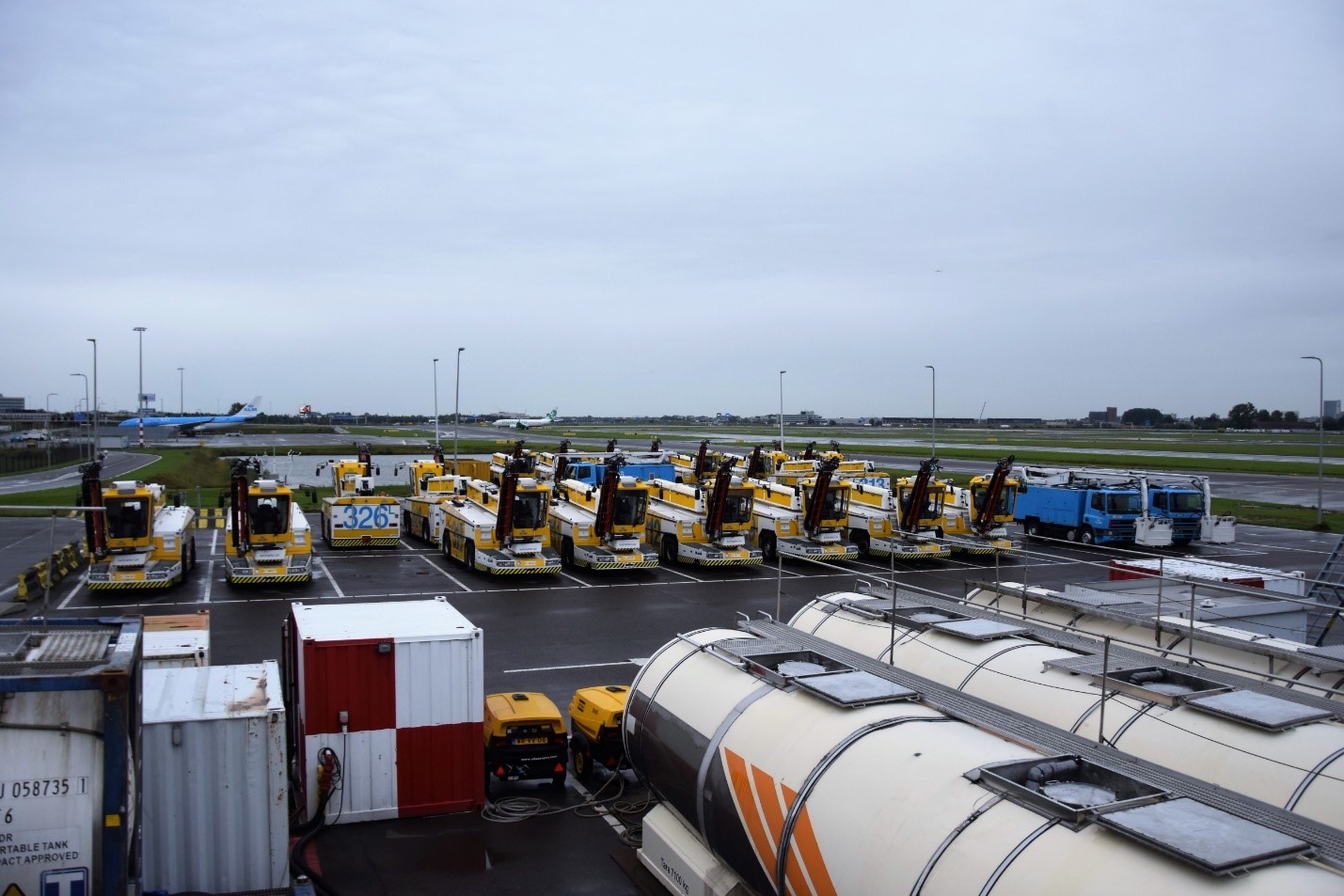
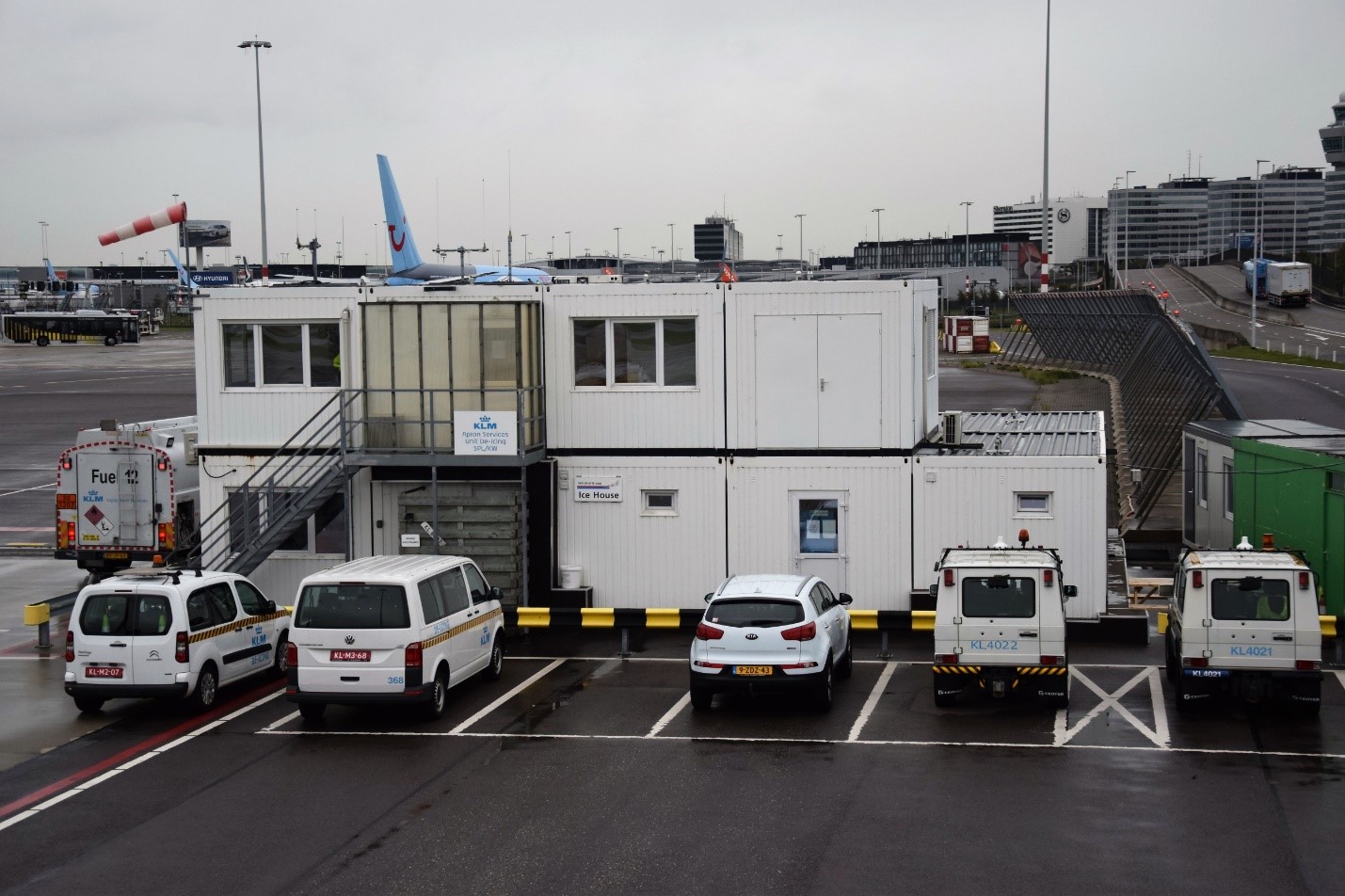
At Amsterdam Schiphol Airport, the fluids are stored in large tanks. Before use, the fluids are pumped into the tanks of special machines for aircraft anti-icing treatment manufactured by Safeaero. Schiphol Airport uses four machines to treat one aircraft – two for the front side of the wing and two for the rear side of the tail section.
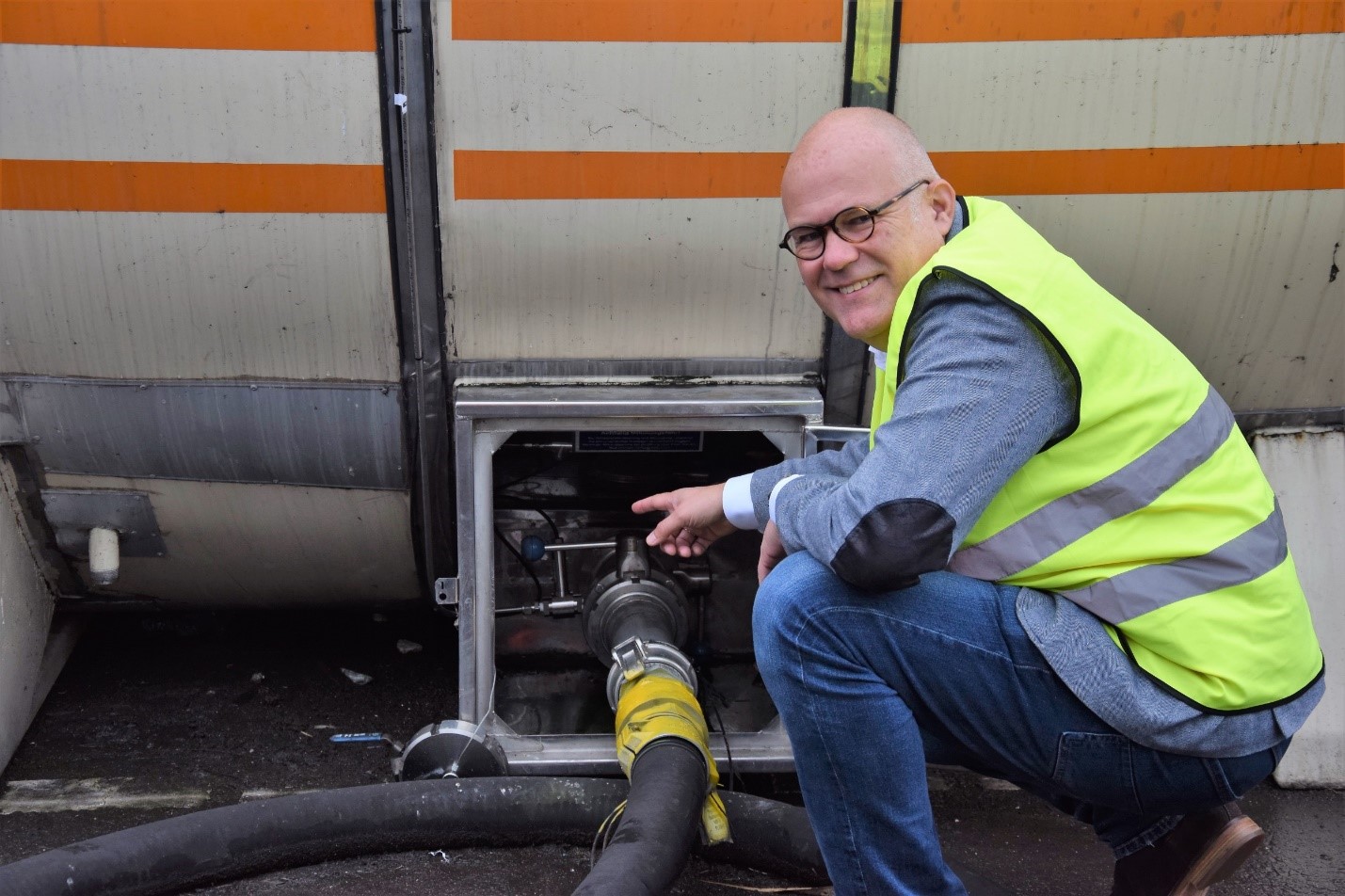
Rob Luttge from RMM is responsible for implementing the entire aircraft anti-icing treatment process, ensuring effective integration of the procedure into the operation of the entire Schiphol Airport. In addition to logistics and quality control, the set of activities includes coordinating the filling of Safeaero special machines with fluid for the KLM airline.
Measurements Under Excess Pressure Conditions
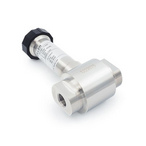
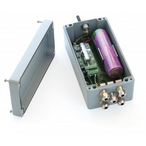
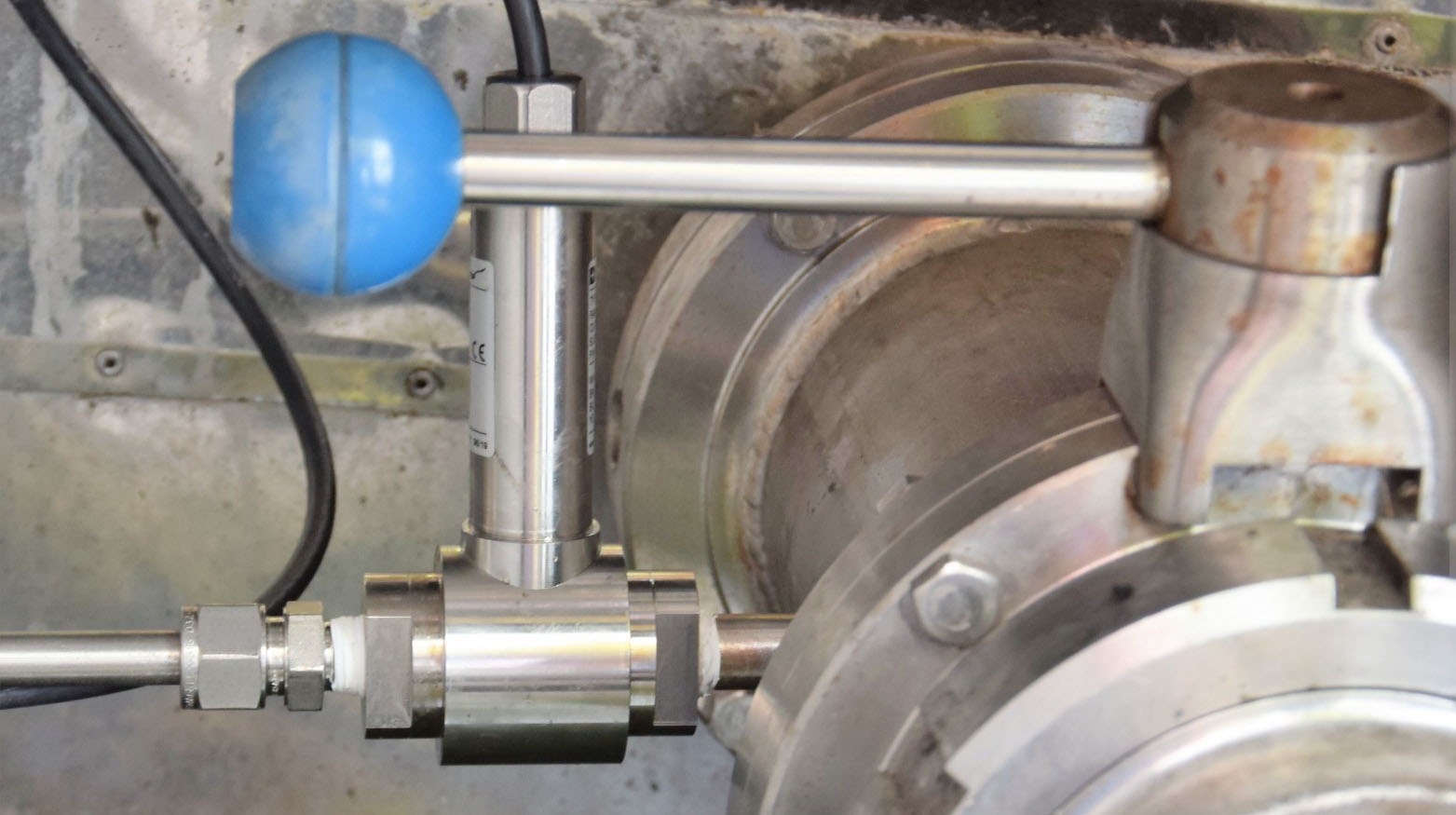
To ensure a constant supply of sufficient anti-icing fluid and automate the process of measuring the fluid level in the tanks, a joint solution was found in cooperation with KELLER. To pump the fluid from the reservoirs into the Safeaero machine tanks, an excess pressure of 2.5 bar is required. To measure the fluid level, each reservoir was equipped with differential pressure transmitters PD-33X. The fluid level in the reservoir is determined by the difference between the pressure value at the top of it (equal to the excess pressure of 2.5 bar) and the value measured at the bottom of the reservoir. Using the built-in ADT1 transmitter, the information can be transmitted to any device via a LoRa signal, eliminating the need to perform measurements directly at the reservoir location.
_80x0_e6f.jpg "Pressure Transmitter Series 23SX-H2")
1)_80x0_e6f.jpg "Happy Defender of the Fatherland Day!")
_80x0_c25.jpeg "Radar Level Meter IZMERKON RL 37")