

Although some high-performance vehicles are moving away from hydraulically activated brake systems to hybrid options, most drivers still rely on hydraulic pressure.
Despite cars being equipped with hydraulic brake systems for decades, developing a system that provides feedback to the driver while maintaining effective braking under all conditions is extremely complex.
During system operation, several variables affect performance:
- Weight transfer from the rear axles to the front axles, requiring gradual modulation of pressure on the loaded wheels
- The servo or brake booster provides progressive assistance up to the knee point, where maximum vacuum assistance is reached, and any increase in output pressure beyond this point occurs only due to increased pedal effort. If the assistance were not reduced, wheel lockup would occur at this stage.
- Due to applied pressure, pipes and hoses tend to expand and reduce line pressure for a given pedal travel
It should also be noted that with the introduction of multi-channel ABS, many of the dynamic issues related to wheel rotation and dynamic and static friction have been addressed, including pressure modulation due to weight transfer during braking. However, rapid braking with ABS engaged can create wildly fluctuating and sometimes extremely high line pressures, which must be identified using high-quality pressure sensors strategically placed in critical vehicle lines.
 At a working line pressure in the range of 100 bar, it is necessary that all components, including pipes and hoses, are designed to withstand these pressures; and that the system does not exceed these specified values. However, this is also not so simple, considering that pipes and hoses with different cross-sections and varying wall thicknesses can produce the same braking characteristics, but some may be marginal in terms of rupture. The only thing that can be checked is the accurate measurement of line pressure when the system is fully pressurized. Obviously, these measured values must comply with the pipe suppliers' specifications. Additionally, it is also important to measure line pressure to confirm that the pedal leverage ratio can lead to an increase in system pressure of about 80 bar under heavy braking conditions. If the desired pressure cannot be easily reached, the pedal must be pressed until it is achieved. When designing, system engineers also need to select the correct master cylinder bore. One of the most common misconceptions is that a larger master cylinder will create more pressure. While a larger master cylinder creates more displacement, more effort is required to generate the same pressure compared to a smaller bore. While a larger master cylinder is busy with system sag at a shorter pedal travel, more effort is needed to create the same pressure in the system.
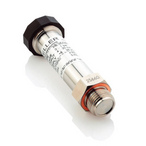
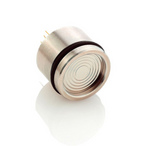
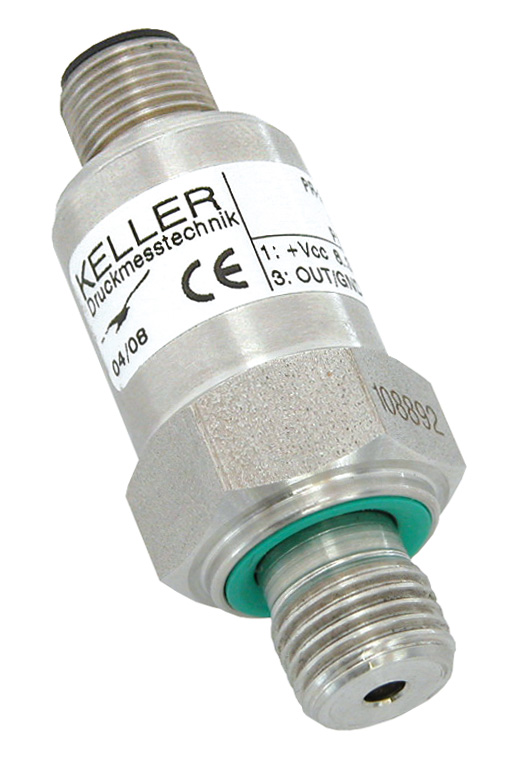
 The task of optimizing brake performance can only be achieved by balancing the entire system: pedal force, system pressure, and lever movement must be considered, and during design and development stages, manufacturers rely on high-precision pressure transducers made specifically for such tasks. One such sensor is the high-frequency pressure transducer series 23 from the Swiss company Keller.
The series 23 pressure transducer is designed for applications requiring high stability and high measurement frequency of processes. These transducers use KELLER sensors from the Series 10, which have proven their reliability in millions of different applications worldwide. Each sensor undergoes calibration and testing across the entire range of measured pressures and operating temperatures. The transducers are manufactured and tested according to ISO 9001 / EN 29001. This series of pressure transducers was developed for industrial applications where special requirements for measurement accuracy and stability are demanded. Measurement ranges from 0.2 to 1000 bar, suitable for both liquids and gases.
Our highly qualified specialists will help you select sensors for your tasks; also, please note the wide selection of pressure sensors in our catalog.
_80x0_e6f.jpg "Pressure Transmitter Series 23SX-H2")
1)_80x0_e6f.jpg "Happy Defender of the Fatherland Day!")
_80x0_c25.jpeg "Radar Level Meter IZMERKON RL 37")