


Flow meters — are devices used to measure the volumetric flow rate of various liquids, including water. They are widely used in various industries, at generation facilities, in utilities, and waste disposal systems.
Measuring water flow has a wide range of applications, including:
- monitoring and managing water supply and distribution systems
- measuring water consumption for commercial billing
- managing and monitoring industrial processes using water
- measuring water flow in irrigation systems and watercourses
- measuring the flow of wastewater, process, and sewage effluents
- environmental monitoring of the quantity and quality of water in natural water bodies
When measuring water flow, it is important to consider the following features of water flow measurement:
- Water flow fluctuations: Water flow can vary significantly depending on various factors such as precipitation, changes in water demand, and changes in the natural environment. Flow meters must be capable of accurately measuring flow even under low and variable flow conditions, i.e., have a wide dynamic range.
- Liquid properties: Properties of water, such as composition, density, and electrical conductivity, can affect the accuracy of flow measurement. The flow meter design should be selected considering the specific properties of the water being measured.
- Size and design of the pipeline: The size and material of the pipe through which water flows can also affect measurement accuracy. To ensure measurement accuracy, flow meters should be selected not only based on the size and material of the pipe but also on the actual volume of water flowing through it.
- Installation and maintenance: Installation and timely maintenance of the flow meter can also impact its accuracy. When selecting a flow meter, it is necessary to consider the qualifications of the operating personnel and the technical capabilities for its regular maintenance to ensure accurate and reliable measurements.
Flow Meter Characteristics
Thus, when choosing a flow meter for measuring water flow, it is important to consider the specific application requirements, including the properties of the liquid, the actual flow of the medium flowing through the pipeline, the size and material of the pipe, as well as installation and maintenance requirements.
There are several types of flow meters that can be used to measure water flow, including:
- Turbine flow meters: These simplest in design flow meters actually measure the number of rotations of a turbine-type sensor, which is proportional to the liquid flow rate. Turbine flow meters are suitable for cases where the flow velocity is constant, relatively high, the liquid is free from foreign inclusions, the liquid properties are stable, and the pipeline diameter is small.
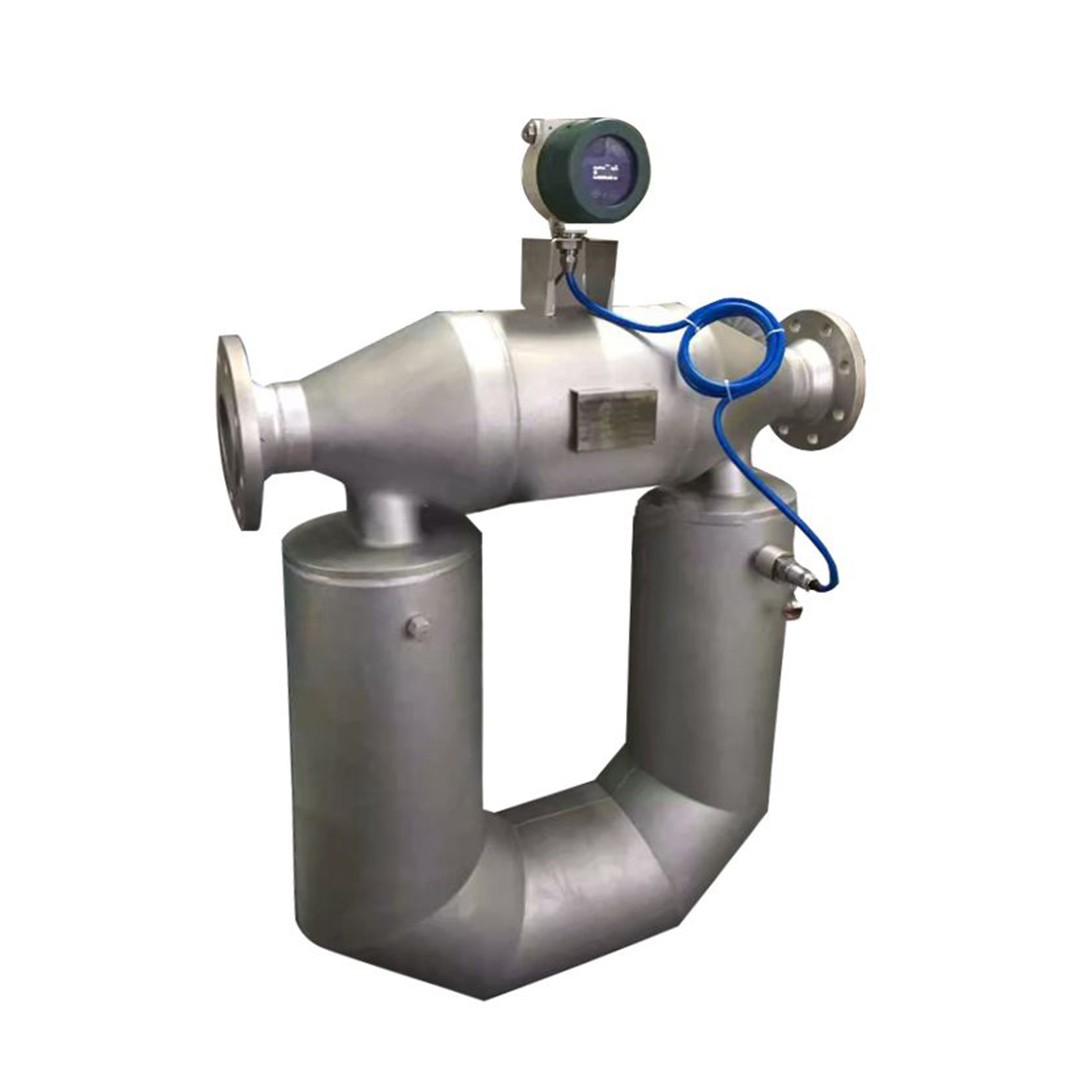
- Coriolis flow meters: These flow meters measure the phase difference of signals from frequency sensors mounted on oscillating tubes of the measuring sensor, caused by the liquid flow, which is proportional to its mass flow rate. Coriolis flow meters are suitable for cases requiring highly accurate mass flow measurements, where the medium properties are stable and the medium is single-phase.
- Differential pressure flow meters: These flow meters measure the pressure drop across a specially shaped obstruction installed in the flow, which is proportional to the flow rate. Differential pressure flow meters are suitable for cases where the flow is relatively low and the liquid properties are stable.
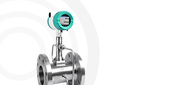
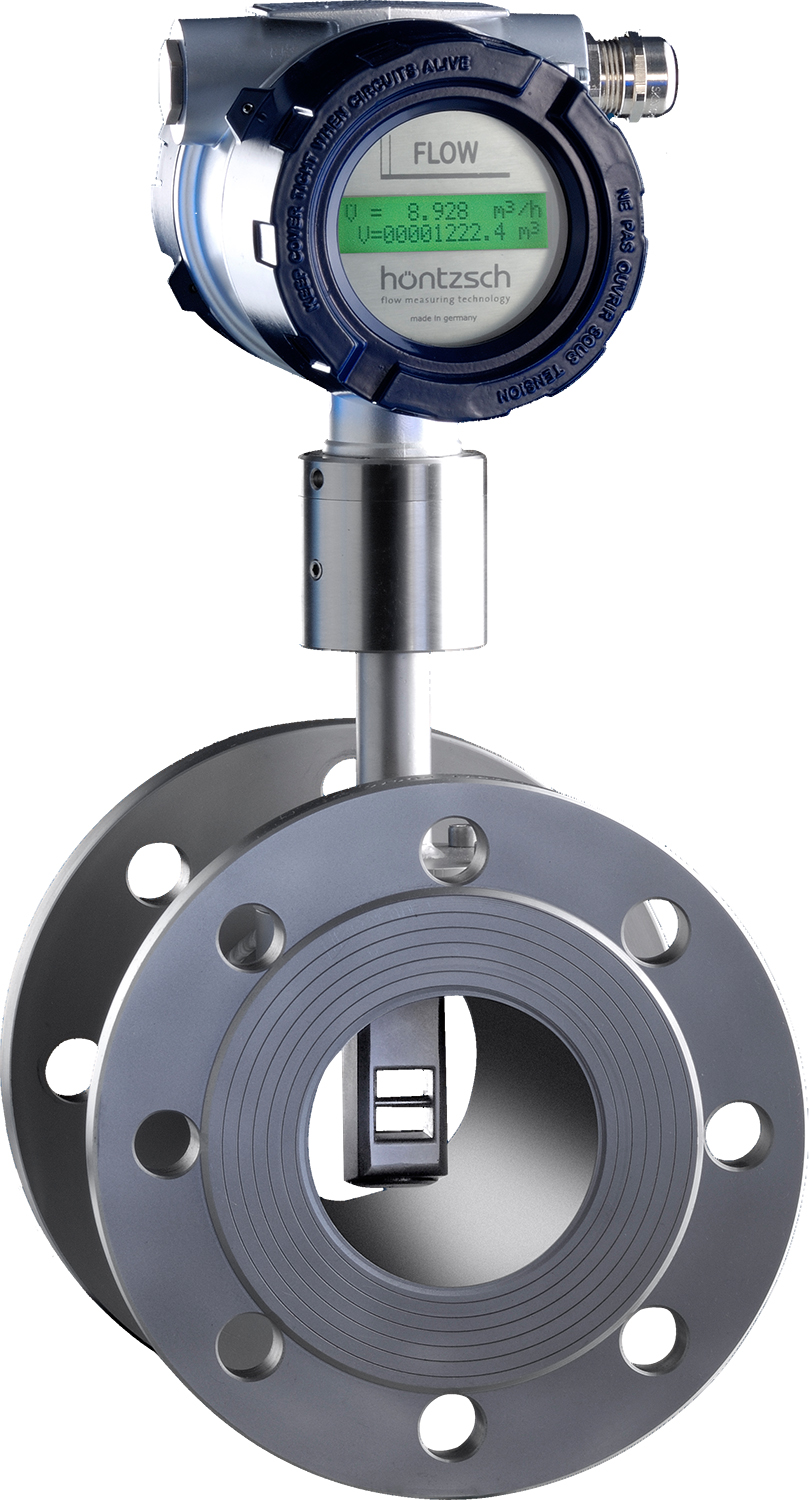
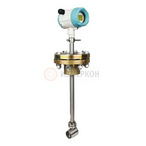
- Vortex flow meters: These flow meters measure the frequency of hydrodynamic vortices created by the water flow around a specially shaped obstacle installed in the flow meter. This frequency is proportional to the flow velocity, allowing the flow meter to accurately measure the volumetric flow of water. Vortex flow meters are suitable for cases where the flow velocity is relatively constant and high, the liquid properties are stable, and the medium's electrical conductivity may be low or absent altogether (example: clarified water).
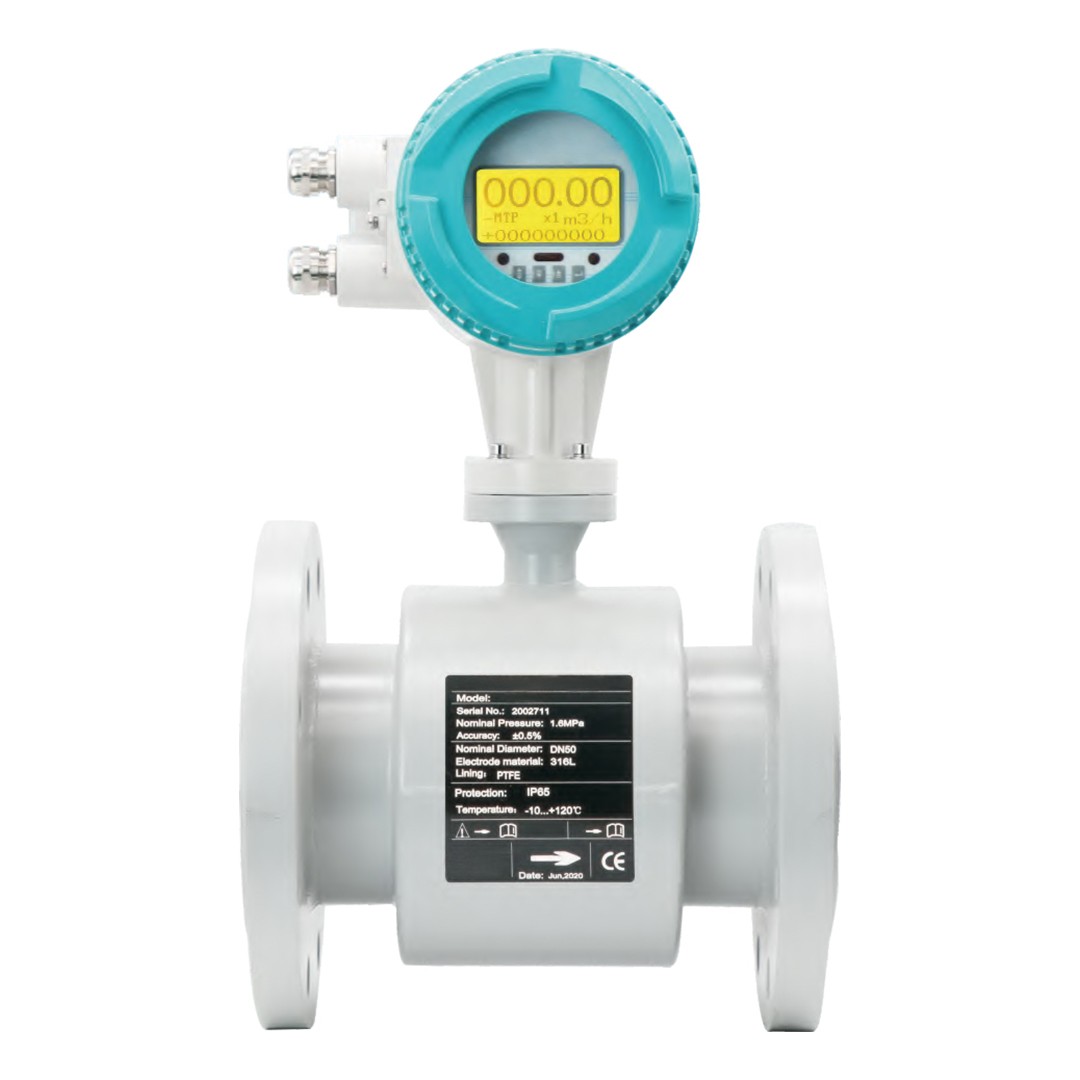
- Electromagnetic flow meters: These flow meters use the principle of electromagnetic induction to measure the flow velocity of water in a pipe. The flow meter consists of a magnetic system creating an electromagnetic field and sensors that detect the electromotive force generated by the electrically conductive liquid flowing through the created electromagnetic field. The flow of the measured medium is proportional to the electromotive force detected by the sensors. Electromagnetic flow meters are suitable for cases where the liquid is electrically conductive, such as ordinary water, i.e., unlike distilled water (example: steam condensate), containing natural salt impurities.
- Ultrasonic flow meters: These flow meters use high-frequency sound waves to measure the flow velocity of water in a pipeline. A flow meter consists of a transmitter-receiver system, which are positioned opposite each other and measure the time it takes for sound waves to pass through the liquid. The flow velocity is calculated based on the transit time of a control sound pulse between the transmitter and receiver. More advanced flow meters use universal transducers that alternately function as both receiver and transmitter. This eliminates additional errors inherent in "one-way" measurement systems. Ultrasonic flow meters are suitable for a wide range of applications, including clean and wastewater, and can be used on pipelines of various sizes and materials.
When measuring water flow, it is also important to consider the specifics of water flow measurement, including flow velocity fluctuations, liquid properties, pipeline size and material, as well as installation and maintenance requirements. By choosing the appropriate flow meter for the task and ensuring proper installation and maintenance, accurate and reliable water flow measurement results can be obtained.
Water meters
A water meter in instrumentation and control (I&C) is a device for measuring the flow or volume of water in a pipeline. Water meters belong to instrumentation and automation devices (I&C), which are used for process and production automation.
Water meters come in various types depending on the operating principle, for example: tachometric, electromagnetic, ultrasonic, vortex. Each type has its advantages and disadvantages, as well as areas of application.
Water meters are essential for accounting water consumption and resource savings. They are installed at the inlet or outlet of a pipeline and connected to the I&C system to transmit measurement data.
The choice of the appropriate type of water meter depends on several factors, such as:
- The type of water (cold or hot) to be measured: hot water requires more durable and heat-resistant materials for the housing and mechanism
- Mounting method (horizontal or vertical) and pipeline size: some water meters have a universal design that allows installation in any position
- Operating principle and measurement accuracy: there are different types of water meters by operating principle, such as tachometric, electromagnetic, ultrasonic, vortex. Each type has its pros and cons regarding accuracy, cost, reliability, and durability
- Availability of additional functions and features: for example, some water meters can transmit data remotely, have protection against magnetic interference, or be adapted to dirty or aggressive environments.
Water meter and water flow meter
A water meter and a flow meter are different names for the same device used to measure the flow or volume of water in a pipeline. A water meter is a more general term that can refer to any type of flow meter operating on various principles (tachometric, electromagnetic, ultrasonic, vortex, etc.). A flow meter is a more specific term that implies measuring the water flow velocity in meters per second or liters per minute. In some cases, a flow meter can also measure other flow parameters such as pressure, temperature, density, etc. Depending on the type of flow meter, there may be different requirements for measurement conditions, such as water conductivity, presence of impurities or air bubbles, length of straight pipeline sections before and after the device, etc. Therefore, when choosing a water meter or flow meter, it is necessary to consider the characteristics of the measured medium and pipeline, as well as the purpose and accuracy of the measurement.
Electromagnetic flow meter
The electromagnetic flow meter is based on the principle of electromagnetic induction, discovered by Faraday. It consists of a magnetic system, measuring chamber, electrodes, housing, lining, and signal converter. It has high stability and is insensitive to viscosity, density, and pressure of the measured object. It is one of the most common types of flow meters with mature production and maintenance technology. Its advantages include resistance to corrosion and wear, durability, as well as the ability to measure bidirectionally, which enhances usability. Electromagnetic flow meters are widely used in metallurgy, industry, chemistry, agriculture, ecology, medicine, and other fields. They are suitable for measuring volumetric flow of conductive liquids in closed pipes.
However, the electromagnetic flow meter has its limitations. It cannot measure vapors, gases, and other non-conductive media. Additionally, its measurement efficiency decreases at very low liquid conductivity. The electromagnetic flow meter is a flow meter that uses the effect of electromagnetic induction (crossing magnetic fields). Its features:
- High measurement accuracy and good repeatability;
- Price depends on the pipe diameter size;
- The measured medium must have a certain conductivity.
Ultrasonic flow meter
The ultrasonic flow meter uses ultrasonic pulses to determine the flow of liquid in a pipe. Ultrasonic flow meters have been widely used since the 1970s. Today, their technology is more advanced and their range of applications is broader. The main advantage of the ultrasonic flow meter is that it can measure the flow velocity of the liquid without contact with the measured object. This means that the type of medium or pipe size does not affect the performance of the ultrasonic flow meter. Gas and steam, which are inaccessible to electromagnetic flow meters, can be measured by ultrasonic flow meters.
Water Level Sensor
A water meter and a water level sensor are different devices that determine different characteristics of water. A water meter measures the flow or volume of water passing through a pipe. A water level sensor measures the height of the water surface in a reservoir or river. Water meters can operate on various principles, such as velocity, electromagnetic, ultrasonic, vortex, etc. Water level sensors can be float, hydrostatic, bubbler, radar types.
Have questions or need advice on selecting equipment for your production? Contact the specialists at «Izmerkon» — we will help find the optimal solution for your tasks.
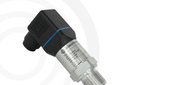
_80x0_e6f.jpg "Pressure Transmitter Series 23SX-H2")
1)_80x0_e6f.jpg "Happy Defender of the Fatherland Day!")
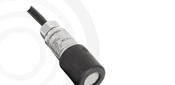
_80x0_c25.jpeg "Radar Level Meter IZMERKON RL 37")


_146x146_c23.jpg "Стрелка")


