



Automated "smart" greenhouses are equipped with special sensors and integrated systems that regulate microclimatic parameters. This controls temperature, carbon dioxide levels, irrigation processes, and soil restoration.
Greenhouse microclimate automation should be comprehensive: if all systems operate in harmony, it is possible to reduce costs for purchasing electronic equipment.
Types of Greenhouse Automation Systems
For example, special hydraulic systems provide automatic ventilation. Ventilation is ensured by structures with hydraulic cylinders and flexible rods. The opening of vents occurs automatically: hydraulic systems operate on the principle of volumetric expansion due to increased internal temperature.
Automation of microclimate control in greenhouses also involves the use of such systems:
- For heating and temperature control: electromagnetic relays, temperature sensors, heaters, and electric fans. All devices are connected to a common control unit, and when the required signal is received, air of the specified temperature is supplied inside.
- Automatic watering: from a reserve tank through distribution tubes directly to the plants. The most economically advantageous system is drip automatic watering. It also provides excellent results in terms of plant growth and development. Such a system can operate with a submersible pump and automatic sprinklers: it all depends on the available technical equipment. The same method can be used to supply liquid fertilizers. Supply is regulated by special sensors that measure soil moisture.
- For controlling light levels. In this case, shading screens are regulated and artificial lighting sources are turned on/off. This is especially important for winter greenhouses operating under short daylight conditions.
- For checking carbon dioxide levels. Increased carbon dioxide concentration hinders normal plant growth. Therefore, sensors either alert the operator about the need for ventilation or activate the air exchange system.
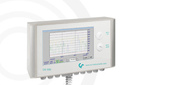
Usually, all these devices are integrated into a common "operator screen," ensuring ease of management.
How Do Automated Systems Work?
Greenhouses maintain the necessary artificial climate parameters for growing desired agricultural products (greens, early vegetables, winter fruits, and so on). The entire structure is quite expensive to maintain and operate. To ensure quick payback, it is important to guarantee stable yields and high product quality. Modern automation systems are used precisely for this purpose.
It is important to choose the right solution at the design stage. Optimizing microclimate management not only helps maintain the required parameters but also reduces energy consumption, thereby lowering operating costs.
The automated greenhouse microclimate regulation system works as follows:
- Temperature sensors monitor the warming of air and soil. Maintaining stable temperature indicators accelerates the vegetative period, ensures rapid root system development, and contributes to yield increases of up to 45%. If the greenhouse has multi-tier heating, sensors are installed on each tier and operate independently. It is important that the entire system can sensitively respond to the needs of growing plants. For some crops, it is essential to maintain a difference between day and night temperatures, and on sunny days, soil warming temperature should decrease to prevent root system drying. Temperature must stabilize with high accuracy, with fluctuations no more than 1 degree.
- Humidity should be regulated considering the condition of the outside air.
- Sensors controlling light levels and enabling the switching on and off of lights depending on the level of natural (solar) illumination can save up to 25% of electricity. Additionally, they activate shading mechanisms when necessary. This ensures regulation of radiation for proper photosynthesis processes.
- When the ventilation system is activated, not only the current CO2 level inside the greenhouse but also the wind speed and direction outside must be taken into account.
- Irrigation and fertilization processes are initiated by special start-up programs. These specify times, volumes, and intermediate intervals. Advanced systems consider side effects of solar illumination and temperature regimes.
Special Sensors
Automation systems for greenhouses use primary measuring devices. These are sensors that help control temperature, humidity, carbon dioxide content, water levels in tanks (hydrostatic level sensors), and pressure in the heating system. Greenhouse farms must be equipped with durable equipment resistant to high humidity and elevated chemical vapor content. Most sensors can be calibrated directly at the installation site.
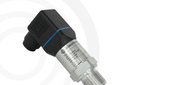
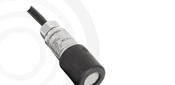
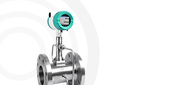
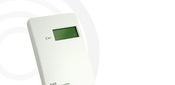
The company "Izmerkon" offers sensors for greenhouse automation systems. These include methane, ammonia, ethylene, CO2 detectors, fuel and liquid level meters, hygrometers, and thermometers with data logging functions, as well as sensors, loggers, and flow meters. Equipment is available for private greenhouse farms and complex agro-industrial enterprises.
_80x0_e6f.jpg "Pressure Transmitter Series 23SX-H2")
1)_80x0_e6f.jpg "Happy Defender of the Fatherland Day!")
_80x0_c25.jpeg "Radar Level Meter IZMERKON RL 37")


