






Technological equipment at industrial enterprises can be controlled by an ACS TP (automated process control system).
Usually, such systems are installed where a finished product is obtained at the output, and this can be the entire workshop or just part of the line. Since we are talking about automation, it is assumed that all devices will be monitored by a person, the operator.
The construction of an ACS TP system involves the use of the following interconnected blocks: automatic control elements, automated devices, process control panels, and programmable logic controllers.
All of this works as a whole, and most of the functions related to the technological process are assigned precisely to the automatic system operating according to a given algorithm.
Control System Structure
It is considered that an automated process control system is only one subtype in this category. Control can also be at the enterprise level or the entire industry. But the typical ACS TP systems themselves also differ in structure:
- at the lower, field level, all actuators and sensors are located;
- at the middle level — programmable logic controllers operating according to the following algorithm: data reception and processing, issuing corresponding control commands;
- at the upper level, monitoring of operation is carried out, where the operator is involved.
- In a broader sense, ACS TP control and monitoring systems include:
- technical means for obtaining and transmitting information;
- actuating devices;
- organizing and transmitting programs, other software components;
- a system for storing reference, operational, and technological information;
- instructions for operators;
- and the operators-technologists themselves, who can intervene in the operation of the automated system and bear responsibility for it.
Functions of ACS TP
Modern ACS TP systems provide the following functions:
- Information. Data is collected and processed to monitor the progress of the technological process, technological parameters are checked for compliance, and it is verified whether limit norms have been reached.
- Control. Based on the received information, the system decides on adjusting variables and stabilizing the entire process. In addition, the optimal operating mode is selected for each unit involved in the process. All equipment control is carried out through a linked logical chain.
- Recognition of emergency situations when established values are exceeded or other "limit norms" are reached. This ensures overall increased safety of the enterprise.
- Monitoring the correct operation of equipment and data collection. Various controllers and diagnostic tools are used for this purpose.
The description of the functioning of ACS TP systems is that the operator can control the process remotely from their control panel, which can be significantly distant from the actual work site. At the same time, the system will timely provide all important information and record monitored parameters and occurring events.
Requirements for ACS TP Systems
The main requirements for such systems are reliability, safety, prompt response, and ease of use.
The key standards guiding the creation of these systems include GOST standards for information technology — GOST 34.601-90, GOST 34.602-90, and GOST 34.201-90, as well as methodological guidelines with general provisions RD 50-682-89 and RD 50-680-88.
All types of ACS TP systems can only operate under proper comprehensive protection. Protection is required at both the software and technological levels. For example, unauthorized access must be prevented, and the system must not stop due to an operator error.
To ensure maximum safety, all system components are thoroughly checked. Protection is implemented using passwords, usually with two levels of access — for the operator and the manager.
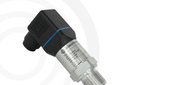
_80x0_e6f.jpg "Pressure Transmitter Series 23SX-H2")
1)_80x0_e6f.jpg "Happy Defender of the Fatherland Day!")
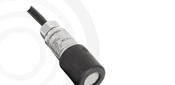
_80x0_c25.jpeg "Radar Level Meter IZMERKON RL 37")


