







What is oil sludge?
Oil sludge is a complex mixture consisting of oil, water, and physical particles formed during the extraction, transportation, storage, and processing of oil. It is a thick, viscous mass of dark brown or black color with a characteristic hydrocarbon odor. Oil sludge accumulates in tanks, pipelines, at the bottom of pits, sludge pits, and other containers associated with the oil industry.

How is oil sludge formed?
Oil sludge is formed as a result of various processes related to the extraction, transportation, and processing of oil. The main causes of its formation are:
- Settling of oil in tanks, resulting in the separation of oil, water, and mechanical impurities.
- Cleaning oil from mechanical impurities and water at various stages of its preparation.
- Washing equipment and containers involved in the oil industry.
- Oil spills during accidents at oil fields and pipelines.
Types of oil sludge
Depending on the source of formation and composition, oil sludges are divided into the following types:
- Drilling oil sludges – occur as a consequence of drilling oil and gas wells.
- Oil sludges formed during the cleaning of tanks for storing oil and petroleum products.
- Oil sludges formed during the treatment of wastewater at oil field and refinery treatment facilities.
- Oil sludges formed during pipeline accidents and oil spills.
How to dispose of oil sludge?
Disposal of oil sludge is a complex of measures aimed at its safe neutralization and processing. There are several main methods of oil sludge disposal:
- Incineration in special furnaces at high temperatures (800-1000°C) for complete decomposition and neutralization.
- Biological treatment using special chemicals that break down petroleum products.
- Physico-chemical treatment using reagents that change the properties of oil sludge and its subsequent periodic processing.
- Thermal treatment using high temperature to separate petroleum products from small particles.
- Landfilling at specially equipped sites.
What can be obtained from oil sludge?
Valuable products can be obtained from oil sludge, such as:
- Petroleum products (fuel oil, diesel fuel, oils) after separation from solid particles.
- Building materials (bitumen, asphalt) after processing oil sludge.
- Secondary raw materials for the production of sulfur, salt, acids, and other food-grade products.
What methods are used for processing and disposal of oil sludges?
Various methods are used for processing and disposal of oil sludges, depending on their composition and properties:
- Thermal methods (incineration, pyrolysis, thermal destruction) – based on decomposition of oil sludges at high temperatures.
- Physico-chemical methods (extraction, flotation, coagulation) – use various reagents to separate components of oil sludge.
- Biological methods – based on the use of chemicals to break down petroleum products.
- Combined methods – combine various ways of processing and disposal of oil sludge.
What instrumentation is used in the oil sludge disposal process?
Various control and measuring instruments (CMI) are used in the oil sludge disposal process to monitor and regulate technological parameters:
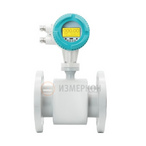
- Electromagnetic flow meters are used to measure liquid flow, as well as to monitor the flow of washing solution and control valve openings.
- Temperature sensors monitor the temperature regime at different stages of the technological process, including the temperature of the washing solution mixture with oil sludge in treatment and separation units, as well as in pipelines to assess heat exchange efficiency and in scrubbers.
- Level indicators monitor the limit filling levels of containers and protect screw pumps of the spent solution treatment unit from dry running.
- Hydrostatic sensors measure the liquid level in tanks and containers, especially in the separation unit, where it is important to maintain an accurate level at the overflow for separating the liquid fraction of sludge and water.
- Composition analyzers are used to control the quality of the obtained products.
- Gas analyzers monitor the composition and content of harmful substances in emissions.
The use of modern CMI ensures high efficiency and safety of the oil sludge disposal process, as well as minimizes negative environmental impact.
Oil sludge disposal is an important task for the oil industry aimed at reducing environmental risks and rational resource use. The application of modern methods for processing and disposal of oil sludge allows not only to neutralize hazardous waste but also to obtain valuable products that can be used in various industrial sectors. A comprehensive approach to solving oil sludge disposal problems, including technology improvement, personnel training, and implementation of environmental management systems, is the key to the development of the oil industry under increasing environmental protection requirements.
For more information about the devices, you can contact IZMERKON by phone at +7 (812) 309 56 05 or through the feedback form.
_80x0_e6f.jpg "Pressure Transmitter Series 23SX-H2")
1)_80x0_e6f.jpg "Happy Defender of the Fatherland Day!")
_80x0_c25.jpeg "Radar Level Meter IZMERKON RL 37")


_146x146_c23.jpg "Стрелка")