





All internal combustion engines experience significant «energy loss» due to inefficient conversion of chemical energy into heat, and then kinetic energy. Even a modern F1 engine is relatively wasteful when it comes to converting the power obtained from the fuel-air mixture into power at the rear wheels. This ratio can be measured in terms of «thermal efficiency» and generally amounts to 30%: that is, if a typical F1 engine produces just under 650 kW, about 1500 kW more does not work to move the car.
A small percentage is converted into the characteristic sound of an F1 car. The vast majority must be dissipated as heat from several areas: for example, oil dissipates about 120 kW, and the water system – about 160 kW. Transmission inefficiency will take about 15 kW, and hydraulics another 3 kW. In high-performance engines, cooling systems are usually pressurized up to 3.75 bar and have a boiling temperature of 120 °C. In a modern passenger car, the pressure in the coolant system is about 0.9-1.1 bar, raising the boiling temperature by approximately 22 °C, resulting in an engine coolant operating temperature of about 100 °C.
Also, a typical water pump can move a maximum of about 28,000 liters of coolant per hour or recirculate the coolant in the engine more than 20 times per minute, creating up to 2 kW of parasitic losses.
These figures are well known and have been considered standard by automotive engineers for over 100 years, but they are decreasing to meet increasingly stringent emission requirements, and the spread of hybrid electric vehicles is changing the rules even more.
Electric motion saves electricity, but beware of pressure.
Manufacturers are deeply studying all parasitic losses in an effort to improve the efficiency of current and future powertrains. This leads to the need to reconsider the cooling system and, in particular, the mechanical water pump.
While certain connections of the water pump to the engine provide significant savings, this requires restructuring the entire cooling system operation; including operating pressure at various temperatures and engine speeds.
When installing an electric motor, speed is no longer proportional to engine RPM, so it is important that pressure in the cooling system is constantly monitored during acceleration. This ensures that parts such as the radiator and water hoses remain within safe operating zones.
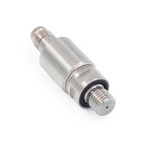
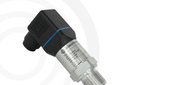
 There are several specialized pressure sensor manufacturers that meet all these requirements, one of which is Keller. During the development of fundamentally new technology, system pressure requires highly sensitive pressure sensors with unquestionable quality and accuracy, such as M5 HB or 21 PY «Pisello».
Although these sensors must accurately record data, they must also be reliable: operating conditions require flawless performance over a wide temperature range, resistance to vibration and chemical exposure.
Although currently new technologies are mainly applied in high-quality BMW and Mercedes Benz models, it is clear that their use will expand as new models enter the market. And there will always be equally stringent requirements for the cooling system to ensure durability and protection of very expensive engines.
_80x0_e6f.jpg "Pressure Transmitter Series 23SX-H2")
1)_80x0_e6f.jpg "Happy Defender of the Fatherland Day!")
_80x0_c25.jpeg "Radar Level Meter IZMERKON RL 37")