
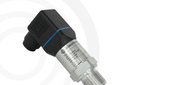
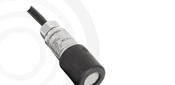
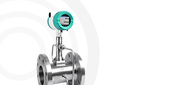


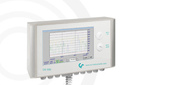




Explosion-proof sensors (anemometers) and liquid and gas flow relays (for use in explosive, gas-containing, or flammable dust environments) are an important element of the instrumentation and control system (measurement, control, and instrumentation) at industrial facilities where the presence of combustible and explosive materials creates a potential hazard for workers and equipment. They are insensitive to dust and dirt and have an explosion-proof housing. Such equipment is recommended for measurements in mines, quarries, mobile and stationary laboratories, and industrial ventilation and air conditioning systems.
Depending on the category of approval, the operation of sensors is permitted in the corresponding zones: 0, 1, or 2 for gas; 20, 21, or 22 for dusty environments. Stainless steel 1.4571 is used as the standard material for manufacturing explosion-proof flow sensors. Upon special request, other stainless steels and alloys, including Hastelloy, Monel, and some types of bronze, can also be used. When selecting the material for manufacturing, its corrosion resistance is taken into account.
To ensure safety under such conditions, air flow velocity sensors must comply with explosion protection standards such as ATEX, IECEx, and others.
Conformity Assessment System for Using Flow Velocity Sensors in Explosive Environments
The IECEx conformity assessment system is a globally recognized and widely used system that evaluates equipment and services intended for use in explosive environments. It applies to equipment operating in any environment where there is a risk of explosion.
This certification system allows manufacturers to reduce costs and time to market by accelerating product evaluation in the country. IECEx certification is a voluntary scheme adopted in 31 countries worldwide and is based on compliance with IEC standards.
ATEX, in turn, is a mandatory scheme applied when placing products on the European Union market and is based on compliance with the essential requirements of Directive 2014/34/EU and harmonized EU standards. In many cases, the conformity path using IEC and EN standards provides a common route to ATEX and IECEx certification with minimal duplication of efforts.
Products certified under IECEx cannot be placed on the European Union market as ATEX compliance is required. The IECEx certification system requires full compliance with the IECEx standard. Additionally, IECEx and ATEX describe common requirements for the design, testing, and marking of electrical equipment, components, or devices intended for use in explosive environments.
It should be noted that ATEX does not require compliance with the relevant IEC standards, whereas the IECEx certification system requires full compliance with the IECEx standard specified in the IECEx certificate.
Characteristics of Explosion-Proof Air Flow Velocity Sensors
One of the key parameters to consider when choosing explosion-proof air flow velocity sensors is the explosion protection class. The explosion protection class determines how safe the equipment is when used in conditions where there is a risk of explosion. Explosion-proof air flow velocity sensors typically have an Exd protection class, which means the equipment is protected against flashes and sparks.
Additionally, when selecting explosion-proof air flow velocity sensors, attention should be paid to their technical specifications. For example, sensors should have high measurement accuracy and a wide measurement range to ensure reliable control of air flow velocity.
Each type of explosion-proof air flow velocity sensor has its advantages and limitations that must be considered when choosing the optimal solution for a specific process in an explosive environment.
One of the most popular types of explosion-proof air flow velocity sensors are those with a thermal anemometric measurement principle. These sensors use thermistors to measure the change in air temperature inside the sensor, which allows determining the air flow velocity. Such sensors have high measurement accuracy and can be used in various conditions.
Thermal anemometric sensors are used to measure the velocity and volumetric flow of gases and liquids. They operate based on measuring the temperature change inside a special sensor located in the flow medium. There are three types of thermal anemometric sensors: thermal anemometric, calorimetric, and time-of-flight sensors. Thermal anemometric sensors have advantages over other sensor types, such as measurement accuracy, compact size, and the ability to measure not only flow velocity but also its temperature. They are widely used in various industries and scientific research.
Pitot Tube in Explosion-Proof Gas Flow Velocity Sensors
The Pitot tube is a tool used to measure air flow velocity. It can be used to measure flow velocity in explosion-proof sensors. For this, the Pitot tube must be connected to a differential pressure sensor that measures the pressure difference between static and dynamic pressure. This pressure difference is proportional to the air flow velocity and can be converted into a signal that the sensor can interpret.
The Pitot tube consists of two parts: a curved tube and a manometer. The curved tube is shaped like a "U" and is installed in a pipeline or duct so that its openings face the airflow stream. The manometer measures the pressure difference between the static pressure and the pressure at the point where the Pitot tube is located.
As the air flows through the Pitot tube, a low-pressure zone is created, which leads to a change in pressure inside the tube. This pressure change is measured by the manometer and converted into corresponding air flow velocity data using algorithms implemented in the explosion-proof air flow velocity sensor.
Thus, the Pitot tube plays an important role in the operation of explosion-proof air flow velocity sensors, allowing accurate measurement of air flow velocity in explosive zones and ensuring the safety of production processes.
Another important parameter when choosing explosion-proof air flow velocity sensors is their resistance to aggressive environments. Many enterprises work with acids, alkalis, and other aggressive substances that can damage equipment. Therefore, it is necessary to select sensors that have a high degree of protection against aggressive environments to ensure reliable sensor operation over a long period.
Application of Explosion-Proof Air Flow Velocity Sensors
Some manufacturers of such sensors, for example, offer vane anemometers with explosion-proof axial fans with the ability to adjust the rotation speed using a frequency converter. It is important to note that such fans should be used together with explosion-proof air flow velocity sensors to ensure safety during operation.
Explosion-proof air flow velocity sensors are indispensable equipment for industrial enterprises that work with flammable and explosive materials.
Explosion-proof air flow velocity sensors are widely used in various industries where there is a risk of explosion or the possibility of explosive zones forming. Below are some areas of application for explosion-proof air flow velocity sensors:
- Chemical industry: explosion-proof air flow velocity sensors are used to measure air flow velocity in pipelines, ducts, and other systems used for transporting chemical substances.
- Oil and gas industry: explosion-proof air flow velocity sensors are used to measure gas flow velocity in pipelines and equipment used in oil and gas extraction industries.
- Food industry: explosion-proof air flow velocity sensors are used to measure air flow velocity in ventilation and air conditioning systems in food production facilities where flammable substances are used.
- Pharmaceutical industry: explosion-proof air flow velocity sensors are used to measure air flow velocity in ventilation and air conditioning systems in pharmaceutical production facilities where flammable substances are used.
- Energy sector: explosion-proof air flow velocity sensors are used to measure air flow velocity in ventilation and air conditioning systems in energy installations where there is a risk of explosion.
- Building materials production: explosion-proof air flow velocity sensors are used to measure air flow velocity in ventilation and air conditioning systems in the production of building materials where flammable substances are used.
Explosion-proof air flow velocity sensors are indispensable equipment for companies operating under increased hazard conditions. They ensure safety in production by allowing control of air flow velocity and protection against explosions. When choosing sensors, attention should be paid to their explosion protection class, technical characteristics, resistance to aggressive environments, and other parameters to select the most suitable equipment for your production.
Overall, the use of explosion-proof air flow velocity sensors is essential for ensuring safety when working with flammable and explosive materials. Proper selection of sensors considering their features and compliance with explosion protection standards, in which the specialists of Izmerkon company can assist you, helps minimize risks and enhance workplace safety.
Have questions or need consultation on selecting equipment for your production? Contact the specialists at «Izmerkon» — we will help find the optimal solution for your tasks.
_80x0_e6f.jpg "Pressure Transmitter Series 23SX-H2")
1)_80x0_e6f.jpg "Happy Defender of the Fatherland Day!")
_80x0_c25.jpeg "Radar Level Meter IZMERKON RL 37")


