



The heating, ventilation, air conditioning, and refrigeration industry is transitioning to refrigerants with low global warming potential (GWP). The main alternatives are R290 (propane), R32, and R454 A/B/C blends, which combine efficiency, safety, and environmental friendliness.
This is due to climate change issues and regulatory requirements.
For the safe use of these substances, modern leak detection systems are required, especially considering the flammability of some of them.

Trends in Global Markets
Europe: Leads the transition to eco-friendly refrigerants due to strict regulations. R290 is actively implemented in residential systems, R32 in split systems, and R454 A/B/C in large installations.
USA: Accelerates the phase-out of high-GWP refrigerants. By 2025-2026, it is planned to restrict the use of refrigerants with GWP above 700 for heat pumps and air conditioners.
Asia: R32 is widely used due to its efficiency in hot climates. R290 is gaining popularity in household appliances.
Russia: The transition is gradual. R410A and R134a are still common, but R32 and natural refrigerants are gaining popularity in line with commitments under the Kigali Amendment.
Advantages of new refrigerants:
- R290: Ultra-low GWP (only 3), high energy efficiency
- R32: Better performance compared to R410A, moderate GWP
- R454 A/B/C: A compromise between safety and environmental friendliness for large systems
The transition to these refrigerants is driven by international agreements, including the EU F-gas Regulation, the EPA SNAP program, and the Kigali Amendment to the Montreal Protocol.
High-Precision Detection for Natural Refrigerants
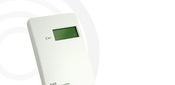
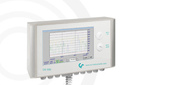
Modern sensors for RDS R290, RDS R32 and R454 A/B/C use NDIR (non-dispersive infrared spectroscopy) technology for accurate propane leak detection. Developed according to IEC safety standards 60335-2-40 edition 7, these sensors provide reliable protection in systems using this flammable refrigerant.

Technical Specifications:
- Measurement range: 0–100% LFL (lower flammability limit)
- Accuracy: ±2.5% LFL
- Compact size and low power consumption: ideal for limited installation spaces
- Maintenance-free: automatic baseline calibration (ABC) ensures long-term operation without the need for maintenance
Similar systems are being developed for R32 and R454 A/B/C refrigerants, ensuring the safe use of these substances in various climate systems.
Conclusion
The future of climate technology is linked to low-GWP refrigerants. Their implementation requires new safety approaches, but modern leak detection systems solve this issue. Transitioning to eco-friendly refrigerants allows the creation of equipment that meets both current and future environmental standards.
For more information about the device, you can contact IZMERKON by phone at +7 (812) 309 56 05 or via the feedback form.
_80x0_e6f.jpg "Pressure Transmitter Series 23SX-H2")
1)_80x0_e6f.jpg "Happy Defender of the Fatherland Day!")
_80x0_c25.jpeg "Radar Level Meter IZMERKON RL 37")


