





CO₂ is essential for photosynthesis and plant growth. Monitoring CO₂ can optimize the growth period. Plants require different concentrations of CO₂ for maximum development.
It is necessary to constantly monitor the CO₂ level in greenhouses, as plants have different needs. For example, C3-type plants (most plants on Earth are C3-type, including many agricultural crops) cannot simultaneously accumulate and transpire CO₂ because their stomata are constantly open.

C4-type plants (corn, sugarcane) accumulate CO₂ from the environment, so they do not need to keep their stomata open.

The third type of plants, CAM plants (cacti, pineapple, agave, orchids), absorb CO₂ only at night because their stomata are closed during the day.

For effective use of CO₂ and without the risk of plant damage, it is important to control ventilation when growing plants. The effect is achieved by regularly distributing CO₂ between young plants and mother plants, as well as among plants during a short period in spring. If a plant is sensitive, it is crucial to have pure CO₂ to prevent damage.
The optimal CO₂ level is estimated to be up to 1000 ppm.
If the CO₂ level in the greenhouse is too high, plants may be damaged because they close their stomata more often than usual. This can lead to plant damage during warm periods.
CO₂ concentration fluctuates over 24 hours. The reason for high levels from 500 to 1000 ppm is plant respiration, which is usually higher at night, regardless of the plant species.
How does it work?
If all plants grow under the same conditions (including CO₂ level), it increases the likelihood that their harvest can be collected simultaneously and with consistent results. The annual CO₂ consumption in a greenhouse is about 5–10 kg/m², and exceeding this value is allowed only in exceptional cases.
The positive effect of CO₂ can vary. For example, tomatoes and cucumbers can yield 8–10% more energy.
In a study conducted by Crookshanks, Taylor, and Dolan (1998), results showed that CO₂-enriched plants produce more biomass than other plants. These strengthened plants direct new biomass to the roots, allowing them to develop faster, become stronger, and promote plant reproduction.
Innovative carbon dioxide control devices
Modern CO₂ level control systems in greenhouses provide precise delivery of the gas mixture, which is critical for intensive photosynthesis of plants. Maintaining a stable carbon dioxide concentration not only accelerates the onset of the flowering phase but also significantly increases yield — in some cases, this method proves more effective than traditional use of mineral fertilizers.
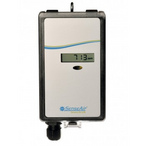
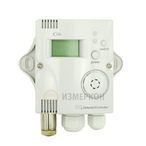
Monitoring the gas composition of greenhouse air (analyzing the state and purity of the atmosphere) is carried out using high-precision CO₂ sensors. This equipment is universal and used in all types of greenhouse complexes regardless of the specifics of the cultivated agricultural crops.
Key advantages:
- Higher profits
- Less plant damage
- Shorter growing period
For more information about the devices, you can contact IZMERKON by phone at +7 (812) 309 56 05 or via the feedback form.
_80x0_e6f.jpg "Pressure Transmitter Series 23SX-H2")
1)_80x0_e6f.jpg "Happy Defender of the Fatherland Day!")
_80x0_c25.jpeg "Radar Level Meter IZMERKON RL 37")