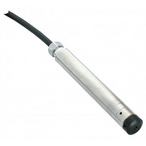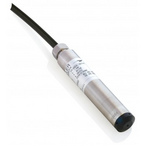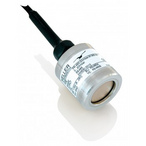





Hydrostatic level sensors are often installed in outdoor tanks. Ensuring a reliable ground connection is extremely important when installing and connecting the sensor, as the absence or inadequate level of grounding can cause irreversible damage to the device.
Hydrostatic level sensors installed outdoors are connected by cable to a PLC or routed into a nearby telemetry system. These cables can act as antennas, conducting voltage surges to the sensor, causing overloads of electronic components and, consequently, device failure. The measured medium itself can act as an electrical capacitor. Causes can include lightning strikes, electrical discharges, or simply static electricity. If the sensor lacks proper low-impedance grounding, electrical discharges can cause overload and failure of electronic components.
Even if the voltage difference is small enough not to cause overload, it can cause electrolytic effects, resulting in gradual corrosion of the sensor’s metal housing. Corrosion ulcers will appear on the sensor housing and membrane, inevitably leading to premature device failure. These processes can be mistakenly taken for chemical corrosion, but in reality, they are caused by the potential difference between the sensor and the surrounding liquid. Without proper grounding, the sensor becomes a simple anode and gradually but inevitably undergoes corrosion.
 For some level sensors (for example, sensors 36XW, 36XS, or 46X), versions with built-in lightning protection are available, which respond to dangerous potential differences between electronic components, cable, and device housing, diverting any harmful voltage to ground before it can damage internal circuits. However, if the sensor’s grounding is insufficiently reliable, the voltage, having no other outlet, will inevitably damage the electronics and housing, causing device failure.
When used in metal and plastic tanks, all isolated metal parts must be grounded with resistance <100 Ohms. In the case of sensor installation on board ships, where all tanks are metal, all ground potentials must be connected to the ship’s main grounding point while docked.
When used in lakes and other natural reservoirs, achieving low-impedance grounding may be challenging, but it is still necessary as it protects the sensor’s electronic components from failure. In artificial structures and rocky terrain, even long copper rods driven into the ground may not provide sufficient grounding, so the use of buried grounding grids will be necessary.
Grounding of the hydrostatic level sensor is a basic requirement for ensuring reliable operation of the devices, especially when used outdoors, where voltage surges and discharges caused by lightning strikes occur regularly. Unreliable grounding in this case can lead to sensor failure.
You can select a suitable hydrostatic level sensor for your task in the product catalog or by consulting with our specialists.
_80x0_e6f.jpg "Pressure Transmitter Series 23SX-H2")
1)_80x0_e6f.jpg "Happy Defender of the Fatherland Day!")
_80x0_c25.jpeg "Radar Level Meter IZMERKON RL 37")