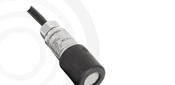


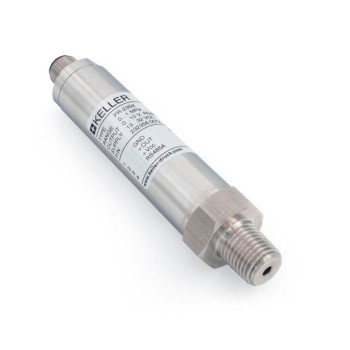
Keller pressure sensors have undergone radiation resistance testing for use in measuring the level of reactor coolant in the calibration laboratory of the Leningrad NPP in Sosnovy Bor.
Protocol No. RB-12-139 P
Testing of the Keller series 46X submersible capacitive pressure transducer for radiation resistance to gamma radiation
Main device specifications:
— PR-46X/0.13 bar
- Range 0…0.13 bar
- Supply voltage 8…28 VDC
- Output signal 4…20 mA
- Total error, typical ± 0.1% FSO
- Operating temperature 0…80 °C
Purpose of the test and test conditions
- Verification of radiation resistance and determination of the device's radiation lifetime by creating radiation exposure using a gamma radiation source.
- Ambient air temperature 20 °C
- Relative air humidity 60%
- Atmospheric pressure 750 mmHg
- Radiation background in the room — 0.2 µSv/h.
Test methodology.
The device is placed in a water container and mounted on a special stand opposite the ionizing radiation source at a distance of 0.5 meters. The absorbed gamma radiation dose rate at this point is 5.96 mR/sec.
The device testing was conducted in two stages. In the first stage, the device was irradiated for 4.5 hours and withstood a radiation dose of 100 Gy. Temperature reading graphs are shown in figures 1 and 2.
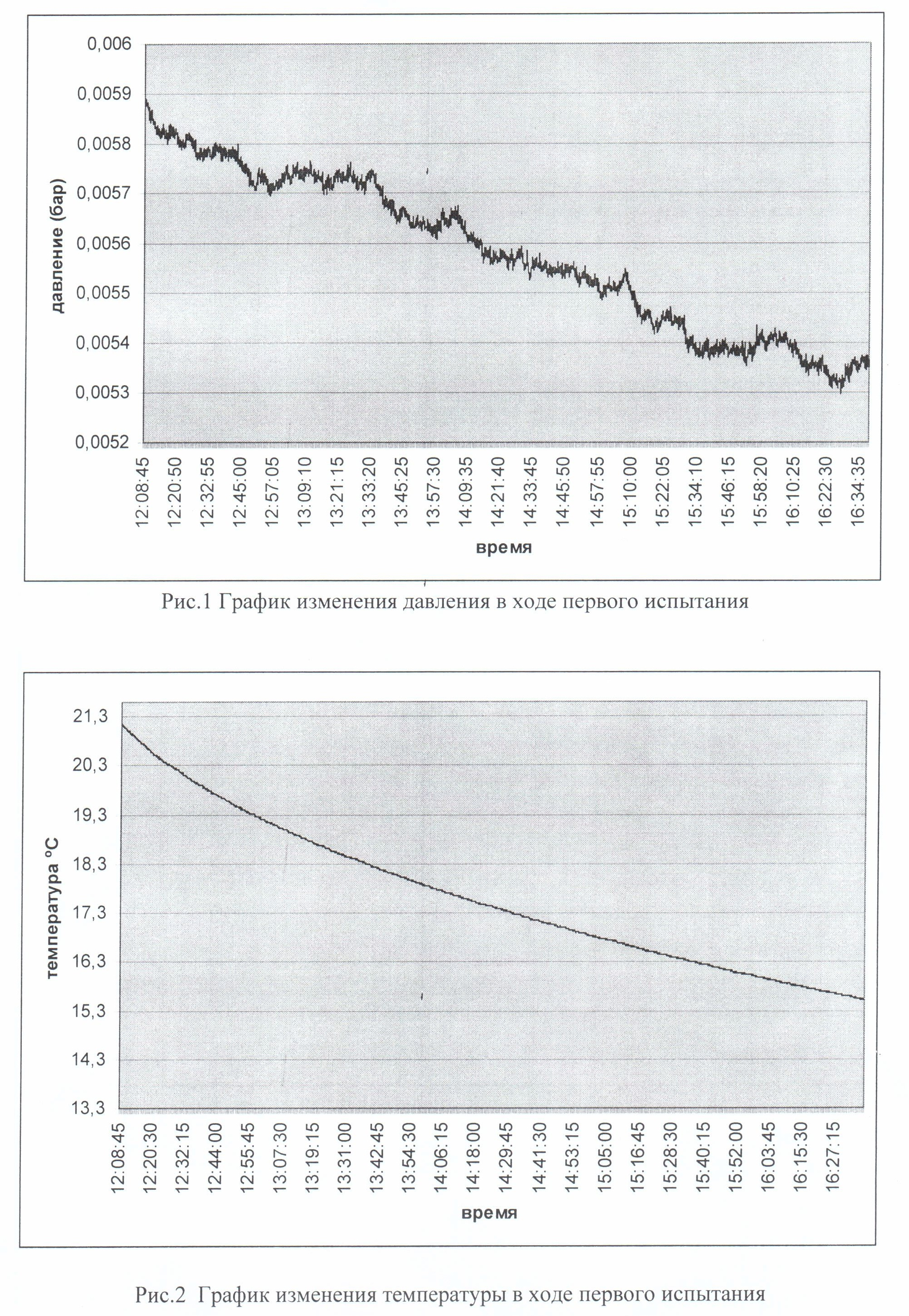
However, because the water temperature in which the device was placed before testing was higher than the room temperature where the tests were conducted, it was impossible to determine the presence or absence of changes in measurements during irradiation. It was decided to conduct a second test. Before the second test, the device was kept in a water container in the room housing the UDG-AT 130 setup for a prolonged period (more than 48 hours) for thermal stabilization. The test started on July 11, 2012, at 10:44. At 13:24 (i.e., after 2 hours 40 minutes), the device went into OFFLINE mode and was no longer detected by the Control Center Series 30 software. Subsequent attempts to connect the device to the computer failed; the software indicated the device was in OFFLINE mode. The dose received before the device went OFFLINE was approximately 60 Gy. Results of the second test are shown in figures 3 and 4.
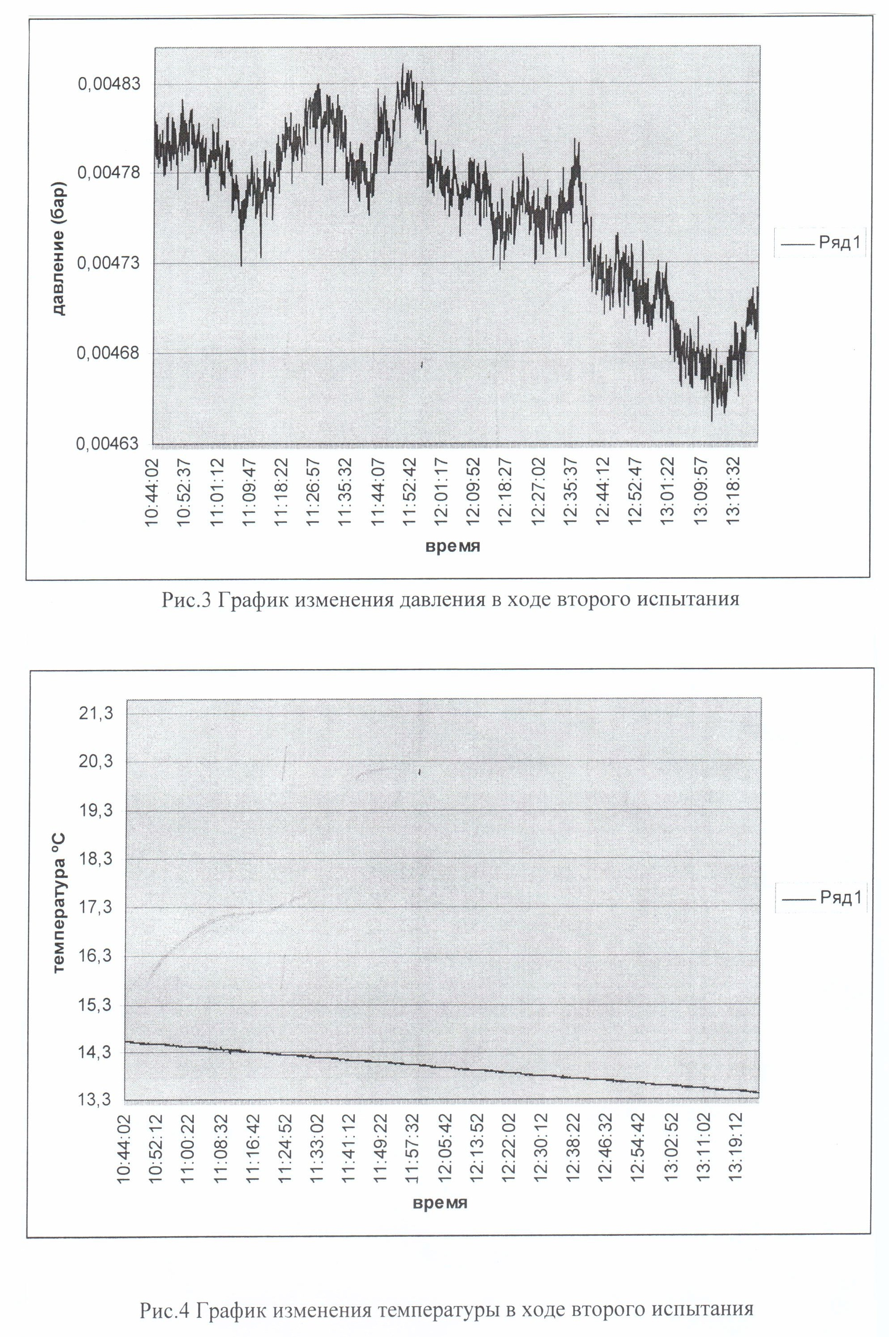
The temperature decrease during the second test and the pressure decrease during the first and second tests are likely related to the activation of ventilation at the start of the UDG-AT 130 setup operation.
Conclusion
Upon reaching an exposure dose of 160 Gy, the device stopped being detected by the Control Center Series 30 software and went into OFFLINE mode. The obtained exposure dose value can be considered the maximum radiation lifetime for this device.
If you are interested, you can contact our technical specialists, and if necessary, we will send you a copy of the test protocol.
_80x0_e6f.jpg "Pressure Transmitter Series 23SX-H2")
1)_80x0_e6f.jpg "Happy Defender of the Fatherland Day!")
_80x0_c25.jpeg "Radar Level Meter IZMERKON RL 37")


.jpg "Pressure Calibrator — UKD-33 — Buy at Manufacturer's Price")