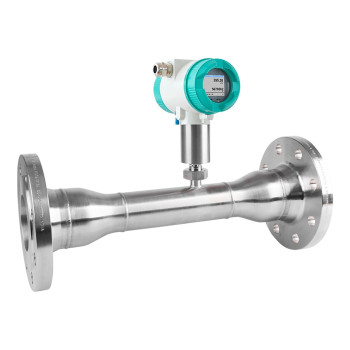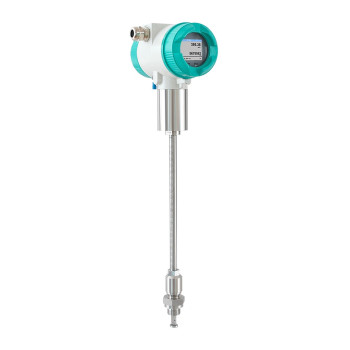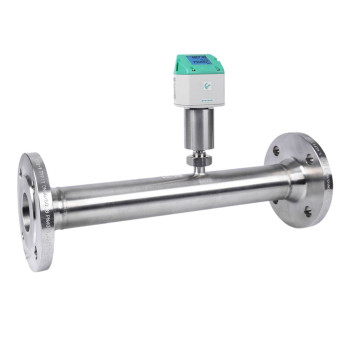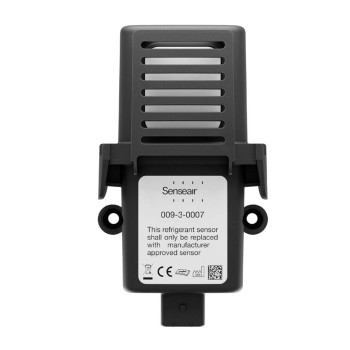
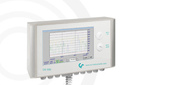



Ultrasonic and radar level meters represent two different methods of measuring the level of liquid or bulk material. The ultrasonic level meter uses sound waves to determine the time it takes for the sound to travel from the source to the product surface and back, allowing the calculation of the product level. This method provides high accuracy and repeatability of measurements and can operate with products at high temperatures and pressures. However, it can be susceptible to interference from steam or turbulence and is not suitable for very viscous materials.
.png) |
.png) |
Unlike the ultrasonic level meter, the radar level meter, also known as a radar or wave level meter, uses radio frequency waves to determine the product level. Radio waves are sent to the product and reflected from its surface, after which the time it takes for the radio waves to return to the source is used to determine the distance to the product surface. This method provides high accuracy, measurement stability, and the ability to work with various products, including viscous and aggressive ones. However, radar level meters are usually more expensive than ultrasonic ones and require more complex maintenance.
.png) |
.png) |
Operating principle:
- The ultrasonic level meter operates based on the principle of sound location. It uses sound waves to determine the level of liquid or bulk product. The device sends a sound signal through air or another medium to the product surface. The sound wave reflects off the product surface and returns to the device. The level meter determines the time it took for the sound wave to reach the product surface and return. Based on this time, the device calculates the distance to the product surface and then converts it into a level.
- Radar level meters, also known as radar or wave level meters, use radio frequency waves to detect the product level. These level meters send radio waves to the product and receive them after reflection from the surface. Then the propagation time of the radio waves is used to determine the product level. Radar level meters provide high accuracy and measurement stability, as well as the ability to work with a wide range of products, including viscous and aggressive media. However, they are usually more expensive than ultrasonic level meters and may require more complex maintenance.
In conclusion, it can be said that the choice between ultrasonic and radar level meters depends on specific requirements and application conditions. Ultrasonic level meters are suitable for measuring product levels at high temperatures and pressures, as well as for working with non-viscous products. They provide high measurement accuracy and are easy to use. However, they can be sensitive to interference and are not suitable for working with viscous products.
Radar level meters (or wave meters) provide high accuracy, stability, and reliability of product level measurements. They are suitable for working with any products, including aggressive and viscous ones. However, they are more expensive than ultrasonic level meters and require more complex maintenance.
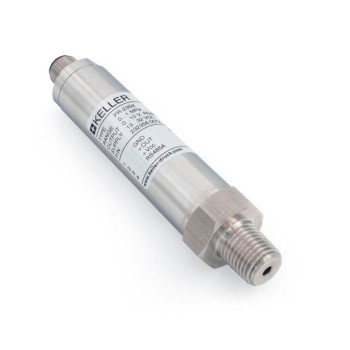
_80x0_e6f.jpg "Pressure Transmitter Series 23SX-H2")
1)_80x0_e6f.jpg "Happy Defender of the Fatherland Day!")
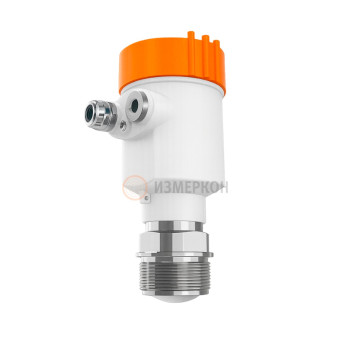
_80x0_c25.jpeg "Radar Level Meter IZMERKON RL 37")


.jpg "Pressure Calibrator — UKD-33 — Buy at Manufacturer's Price")