



Usually, groundwater is formed from rainwater that seeps into the soil; other sources include rivers and lakes. However, water can also be artificially accumulated, for example, by absorbing water into the ground through infiltration basins, special storage trenches, or injection wells. As with surface waters, groundwater flow is also influenced by gravity and moves in the direction of the steepest slope or through the most permeable soil layers. Groundwater movement is generally much slower than the flow of rivers and streams, but in some cases, it is only a few meters per year. Groundwater flows are driven by pressure forces created by the weight of the water itself, and the intensity of these forces also determines the flow rate. Groundwater is part of the water cycle, so the time it remains underground varies from less than one year to millions of years. If the groundwater horizon reaches the earth's surface, groundwater will break through springs and flow into surface waters.
Groundwater changes as it flows underground: for example, if it absorbs carbon dioxide, it reacts with limestone minerals and becomes harder. Also, during the flow process, it is filtered, which over time leads to the release of microorganisms such as bacteria and viruses.
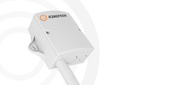
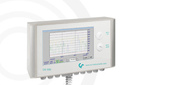
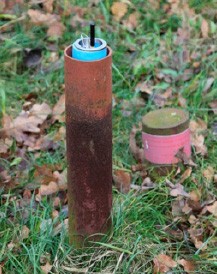
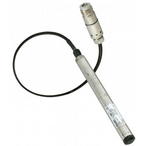
Box with mobile communication device (left) and GSM2*
Groundwater and Groundwater Protection
In the EU, groundwater is classified as a protected resource, monitored by authorities at groundwater monitoring stations. Excessive use of fertilizers and pesticides in agriculture and high concentrations of pollutants in contaminated sites pose a risk to groundwater quality. About 300 million people worldwide meet their water needs from groundwater.
Since 2002, GRACE satellites have allowed approximate measurements of groundwater level rises and falls. But since this is very important, groundwater requires more precise monitoring. Since 2007, the Polish Geological Institute has been using KELLER dataloggers DCX-22. However, measurements obtained with these recorders must be read on-site, which is not easy in this field of application.
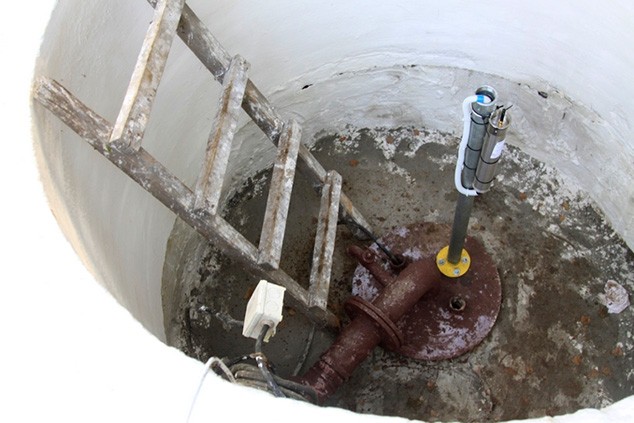
That is why for several years, instead of recorders, a combination of level transducers 36XW and remote transmitters GSM-2* has been used. This is the ideal solution for fully automated data collection in remote locations. Measuring instruments are usually placed in special well pipes known as piezometers. Thanks to its stainless steel housing, the GSM-2 is exceptionally durable while consuming very little energy – properties that perfectly meet customer requirements in this field. Currently, there are 350 groundwater monitoring systems operating in Poland. These systems store their measurements using GSM-2 devices and transmit data on water level and temperature directly to the main control station and central database located in Warsaw.
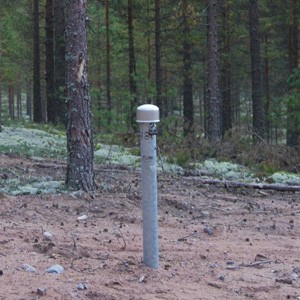
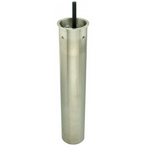
Piezometer
The GSM-2 device transmits data via GSM/GPRS using SMS, FTP, or email. The devices also store collected data in a buffer with a capacity of 57,000 measurements, which enhances the security of the collected data. A barometer installed inside the modules allows the use of a non-capillary, extremely stable absolute pressure sensor for water level measurement.
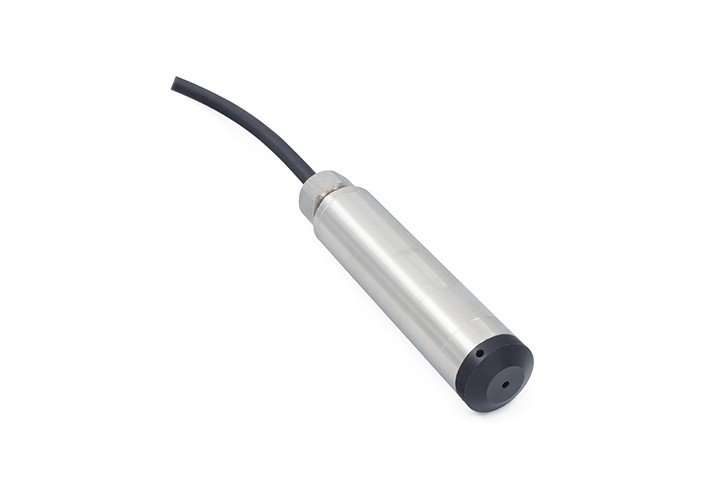
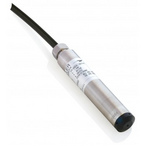
The PAA-36XW level transducer is ideal for this purpose. The device's error is only 0.05% FSO (0…40°C), meaning it can accurately measure groundwater levels. As an additional option, water temperature can be measured using a built-in Pt1000 sensor with an accuracy of 0.1°C. The low-voltage electronic system requires only 3.2 V, ensuring very low power consumption. When used with the GSM2* transmitter, its internal battery only needs to supply a small amount of additional energy. This means data can be collected and transmitted for several years without the need to replace the battery. The absence of a capillary tube eliminates moisture resistance issues, further increasing system reliability.
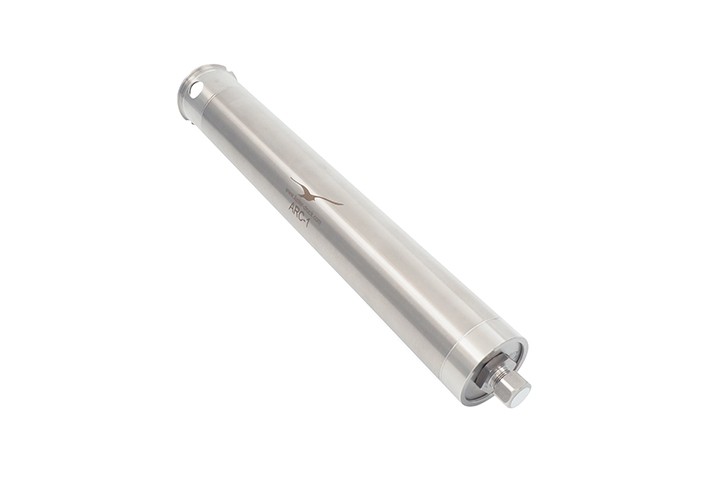
* Currently, the GSM2 remote data transmission device has been upgraded and then replaced by the new device ARC1.
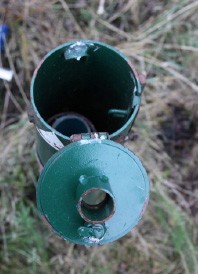
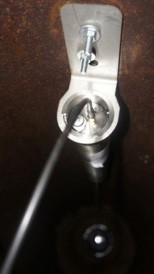
Built-in remote transmitter GSM2*
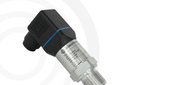
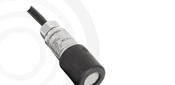
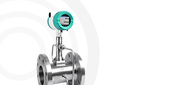
Used devices:

_80x0_e6f.jpg "Pressure Transmitter Series 23SX-H2")
1)_80x0_e6f.jpg "Happy Defender of the Fatherland Day!")
_80x0_c25.jpeg "Radar Level Meter IZMERKON RL 37")


_146x146_c23.jpg "Стрелка")


